KEY TAKEAWAYS
- Indoor riding arena cost is shaped by more than the building, including site work, zoning approvals, lighting, footing and long term maintenance, so early planning pays off.
- The most successful indoor riding arena designs start with clear goals for riding style, number of horses, and daily routines, then match dimensions, layout and access to those needs.
- Site conditions such as wind, snow, drainage and access for trucks and trailers strongly affect day-to-day comfort and safety, so the arena must work with the property, not against it.
- Footing, lighting and ventilation together shape how safe and comfortable the arena feels for horses and riders, so choices in these areas deserve as much attention as exterior finishes.
- Personal arenas and commercial riding facilities face different code, permitting, and zoning requirements.
Building an indoor riding arena in Canada is one of the biggest decisions you will make for your horses, your riding and your property. You gain a space where winter weather, spring mud and smoky summers no longer decide when you ride. Good planning with the help of a riding arena builder at the start helps you feel confident that every dollar and design choice adds real value for you and your horses.
You might be picturing quiet early-morning rides, safe footing on stormy days, and an attached barn that finally works the way you need it to. Many Canadian horse owners share the same core questions about building an indoor riding arena, from permit steps to matching arena dimensions to their discipline. Equestrian arena designs must stand up to wind, snow and temperature swings while still feeling bright and welcoming to ride in.
“Building an indoor riding arena in Canada is one of the biggest decisions you will make for your horses, your riding, and your property.”
Understanding What Goes into Building an Indoor Riding Arena
Building an indoor riding arena is much more than putting a roof over a sand ring. For most owners, the project starts with a clear reason, such as year-round training, safer footing or a desire to keep horses at home instead of hauling them to an off-site facility to ride. That purpose shapes decisions about size, layout, and storage, along with the comfort level you want for riders and horses during cold snaps or hot afternoons. From the very beginning, it helps to think about your arena as a working space that must suit your day-to-day riding habits.
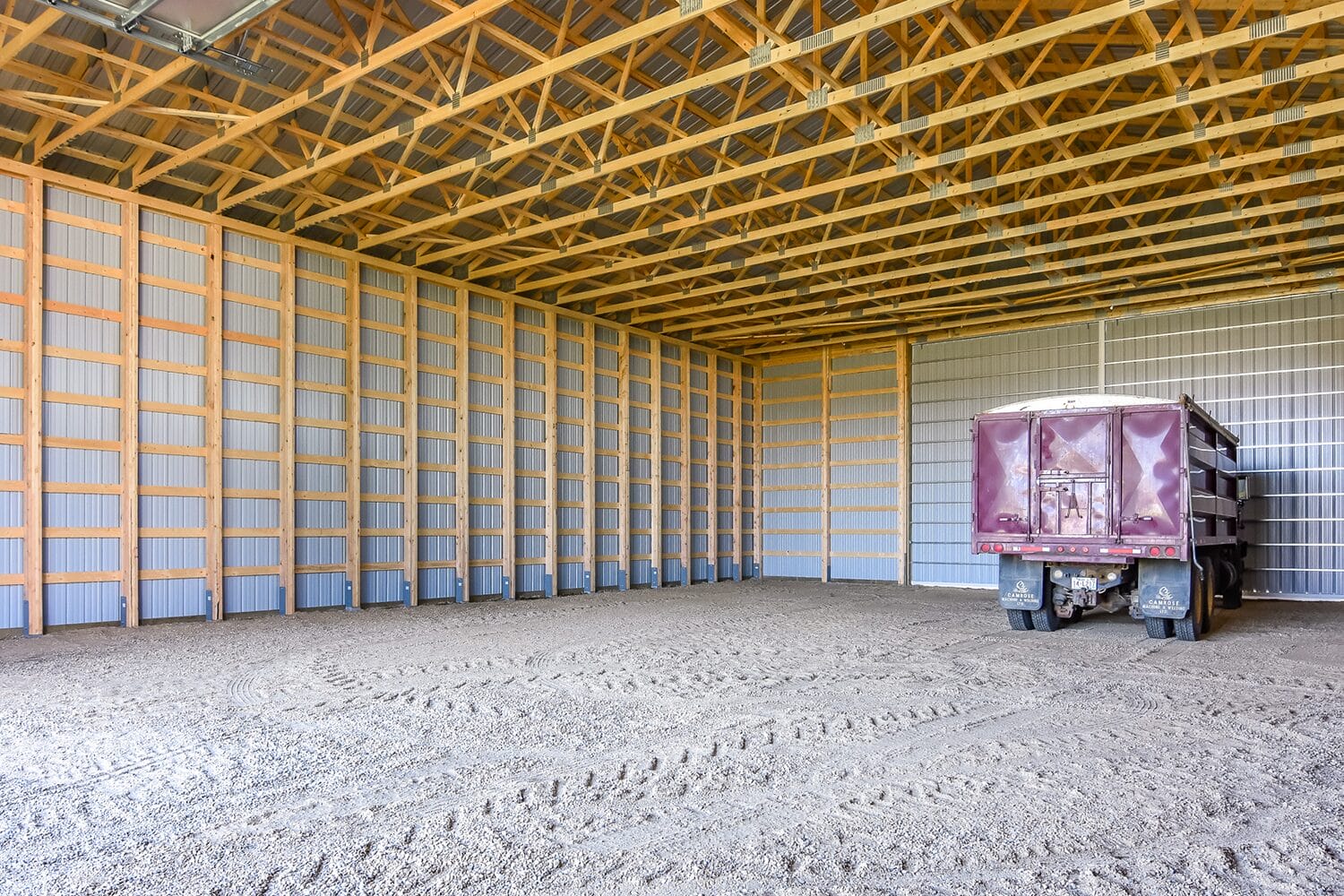
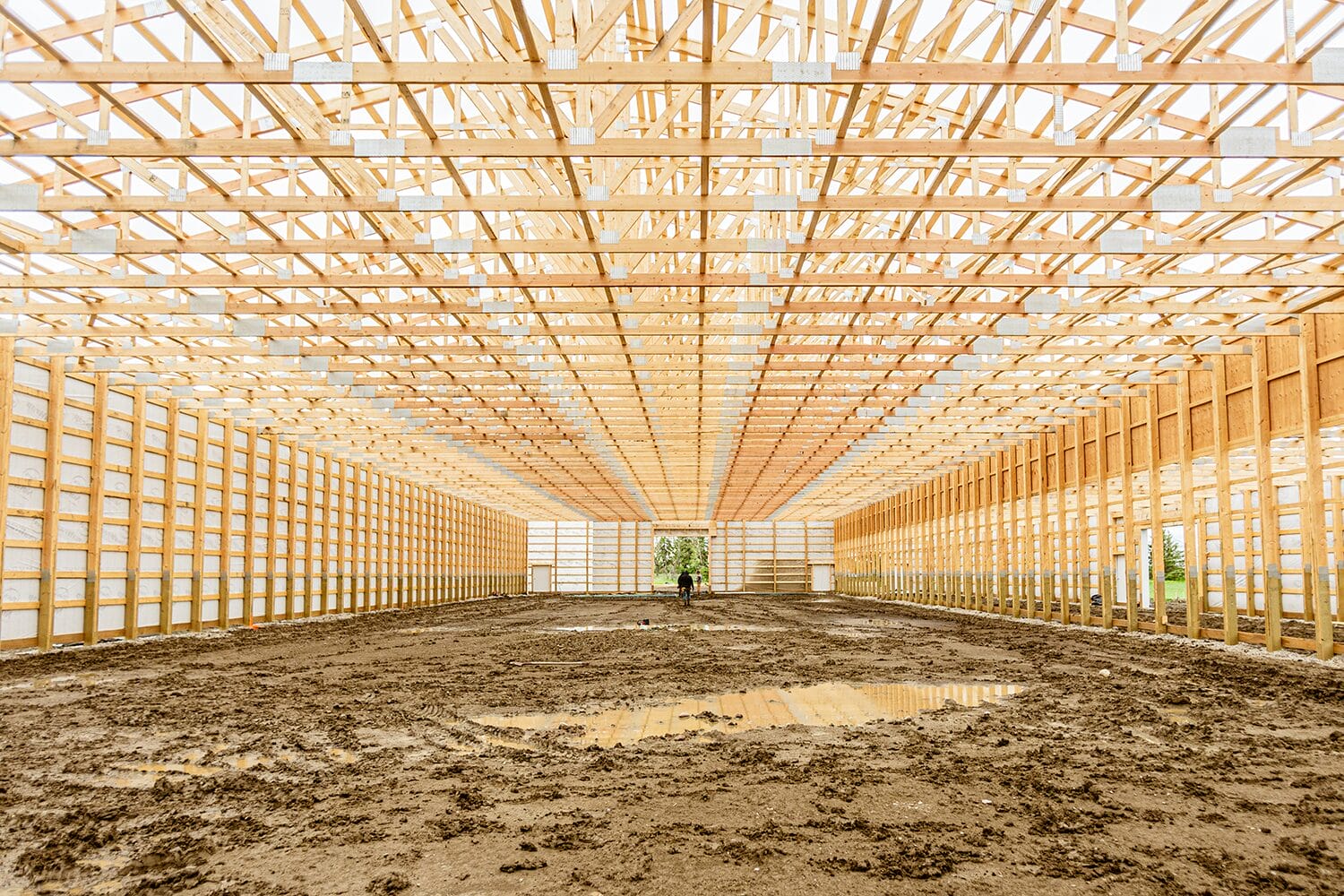
Under the skin of the arena, the structure itself does a lot of heavy lifting. A post frame building uses engineered laminated posts, trusses, purlins and girts to create clear-span interiors, which means you do not have columns breaking up your riding space. Metal cladding on the roof and walls protects the arena from snow, hail and blowing debris while staying relatively low-maintenance compared with traditional siding or shingles. Those interiors also give you freedom to place tack rooms, viewing rooms and storage as non-structural walls, so the riding area can stay clean and open.
A horse arena in Canada must also be designed for local climate and soil conditions. That includes posts set on a suitable foundation system that protects wood from moisture in the ground. Choices like kick walls for protection; insulation for comfort; and wall lights or windows for visibility; all affect how the arena feels and performs across seasons. Taking time to understand how structure, site conditions and interior features work together will give you a much clearer view of what goes into indoor riding arena cost and long term value.
Key Zoning & Permit Considerations for Canadian Horse Owners
Local rules shape what you can build, where you can place it and how you are allowed to use it. Equestrian arenas are large, visible structures, so planners often pay close attention to them even on rural land. Approvals can feel slow or confusing if you are not familiar with the terms and steps your municipality uses. A bit of homework and early conversations with officials will keep your arena project moving.
Confirming Land Use & Equestrian Zoning
Every municipality or rural district has its own way of classifying land and permitted activities. Some treat a private indoor arena as part of normal agricultural use, while others treat larger equestrian facilities as a separate use, especially if lessons, clinics or boarding are involved. One of the first steps is to confirm that an indoor arena is allowed on your parcel under its current zoning and for the specific type of riding program you plan to run. This is also a good time to be open about how many horses you keep and whether the arena is primarily for personal use or for a business.
Zoning rules can also touch on less obvious details, such as where lighting can point, how parking is handled or how close buildings can be to neighbours. If you are on an acreage near a town boundary, those expectations can be very different from a remote quarter section used strictly for farming. Bringing a simple sketch of your property and your preferred arena location helps planners give practical feedback instead of speaking in general terms. Treat this stage as an opportunity to adjust early if something is not allowed in a certain corner of your land.
Building Permits, Development Permits & Approvals
Many Canadian jurisdictions separate development permits from building permits, even if you submit both around the same time. A development permit usually looks at land use, setbacks, appearance and how the arena fits the area, while the building permit focuses on structural safety and building code compliance. For an indoor riding arena, engineers must show that the post frame design meets wind, snow and loading requirements for your region.
Approvals may also involve other departments, such as fire services or roads, depending on the size of the arena and your location. Larger commercial-style arenas can trigger requirements for accessible washrooms, additional exits or upgraded access roads. Private arenas for family use often see simpler review, but they still need to meet code for structural safety and basic exiting. Planning for these steps in your timeline will prevent surprises when you are eager to start construction.
Setbacks, Height Limits & Lot Coverage
Riding facilities have substantial footprints, so setbacks from property lines, roads, water features and shelters are key. A 70’ x 140’ or 80’ x 200’ horse arena can quickly eat up available space once setbacks are applied, especially on smaller acreages. Height limits can also influence your arena design, since many municipalities set maximum eave or overall building heights in rural and country residential zones. That means your preferred building height must work within those limits before you become attached to a certain roof profile.
Lot coverage rules restrict how much of your parcel can be covered by buildings. If an existing house, horse barn, hay shed and shop already take up part of that allowance, an arena may push you close to the maximum. Talking about lot coverage early lets you decide if an adjustment in arena size or shape is needed. It also helps you think about future builds, so you do not run out of allowed coverage for later needs.
Parking, Access & Traffic Around the Arena
Truck and trailer access is often overlooked in permit drawings, but it matters in day-to-day use. Planners may ask how trailers will reach the arena, where they will turn around and for commercial arenas where they will park during lessons or clinics. A safe layout keeps horse traffic, vehicles and visitors from crossing paths in tight corners or blind spots. Wide lanes, clear sightlines around corners and enough room to swing a trailer all contribute to a calmer, safer facility.
For more public uses, parking expectations can increase. Extra spaces, designated loading zones and clear access for emergency vehicles can all become part of the discussion. Rural roads also have limits on new approaches or sightlines at driveway entries, which might affect where you place your arena entrance. Designing access and parking thoughtfully at the planning stage helps avoid backing rigs into mud and ditches once the arena is open.
Agricultural vs Commercial Use & Insurance
Private owners who use their arena only for personal use face a different approval path than someone who runs a lesson or boarding business. As soon as money changes hands, local authorities often see the use as commercial, which can trigger higher standards for engineered details, exits, lighting and parking. The same shift usually happens on the insurance side, where your policy and premium change for a business operation compared with personal equestrian use. Honest conversations with both your municipality and your insurer protect you from issues later on.
Insurance companies also care about how your arena is built. Structural engineering, snow-load design, fire separation between attached spaces, exit lighting and even kick wall materials can influence how they underwrite the risk. Indoor riding arena cost over time includes premiums as well as construction, so it is in your interest to ask clear questions and share drawings before you build. Matching the use, approvals and coverage from the start supports long term peace of mind.
The rules around zoning and permits can feel like obstacles, yet they exist to protect people, property and horses. Treating approvals as a planning tool keeps the project grounded in safe, legal use. Clear zoning conversations also clarify expectations if you plan to grow a training program or host clinics later. Once these pieces are in place, you can put more energy into the parts of the arena that riders see and feel every day.
Choosing Arena Dimensions that Support Safe & Comfortable Riding
Riding arena dimensions affect everything from stride length and training patterns to construction cost and maintenance time. A narrow arena can feel tight and limiting for canter work or larger horses, while an extra-wide or very long arena can increase footing volume, lighting requirements and long term grooming. The best size usually takes shape from asking questions such as how many horses are in the arena at once, which disciplines you ride, and how much indoor riding arena cost you are comfortable with across the entire project, not just the structure. Thinking through those questions first helps narrow the range before looking at specific measurements.
For many private Canadian arenas, a footprint around 60’ x 120’ or 70’ x 140’ feels comfortable for flatwork and smaller jumps, especially for one or two horses at a time. Disciplines such as reining, barrel racing or higher-level jumping often benefit from larger spaces, such as 80’ x 180’ or 100’ x 200’, where riders have room for full patterns. Height also matters, with many post frame indoor arenas targeting eave heights in the 16’ range or higher to create a spacious feel and allow for overhead doors tall enough for drags and trailers. Larger dimensions naturally increase horse arena cost, so it is useful to see how different sizes align with your goals.
A quick comparison of common dimensions can help you picture what might suit your program:
| Arena footprint | Typical eave height | Common use focus |
| 60’ x 120’ | 16’ | Flatwork, basic training, minimum functional arena size |
| 70’ x 140’ | 18’ | Dressage schooling and competition, vaulting |
| 80’ x 160’ | 16’ to 18’ | General horsemanship training, gymkhana, mounted games |
| 80’ x 200’ | 16’ to 20’ | Show jumping training, larger lesson groups |
| 100’ x 200’ | 18’ to 20’ | Show jumping competition, reining (minimum standard), barrel racing, western riding |
| 120’ x 240’ | 18’ to 20’ | Roping |
Dimensions are only one part of the conversation, yet they are a powerful lever for balancing ride quality, site fit and budget. Slight reductions in length or width can create meaningful savings in structure, footing and lighting without ruining how the arena rides. Conversely, stretching too small to hold down cost can leave you wishing for more space every time you tack up. Grounded, discipline-specific decisions can keep your dimensions realistic for both your horses and your wallet.
Functional Layout Features that Create a Better Riding Experience
A well-planned layout separates chaotic barn traffic from the focused riding space you want inside the arena. Good design also shortens the steps between tack room, doors and riding surface so your day flows smoothly instead of feeling like a series of obstacles. Thoughtful choices about how people, horses and equipment move through the arena will keep you from fighting with doors, bottlenecks and blind corners year after year. Design time spent here improves both safety and enjoyment for everyone who uses the arena.
Attached Horse Barn
Attaching the horse barn directly to the riding arena streamlines daily routines and reduces unnecessary movement between spaces. Horses can move from stall to grooming area to arena under cover, keeping them calmer and cleaner while eliminating repeated trips through snow, wind, or mud. For riders, this connection shortens the distance between chores and riding time, turning what would be multiple transitions into one smooth, predictable flow. Instead of a full barn, some owners choose to build horse stalls directly into the arena plans.
Kick Walls That Protect Horses, Riders & Building Finishes
Kick walls sit around the lower portion of the arena interior, typically built from dimensional lumber mounted against the posts. They protect both the horse and the building when hooves connect with the wall at speed or when a horse passes very close. Without them, metal cladding can be damaged and sharp edges can pose a risk, especially for young or green horses. Properly built kick walls give riders confidence to work right up to the wall on circles or lateral movements.
Kick walls also influence how the arena looks and how easy it is to maintain. Many arena owners choose treated or hardwood boards for durability, with smooth edges and secure fastening to resist impact. Heights can vary, though often they sit at a minimum of 6’ to keep hooves away from metal cladding but does not visually dominate the space. Discussing materials, height and framing early ensures kick walls are designed as part of the structure rather than an afterthought.
Tack Rooms, Feed Rooms & Storage Zones
Bringing tack, blankets and feed into the arena without cluttering the riding space is a common challenge. Dedicated tack rooms and feed rooms near the entry solve this by concentrating storage where you need it most. Placing these rooms just off the main arena, accessed through man doors, keeps dust and noise down while still making saddles and bridles easy to reach. An organized layout also reduces trip hazards and accidental congestion near doors or viewing areas.
Storage for jumps, barrels and grooming equipment deserves equal care. A recessed storage bay along one short end or beside the arena can keep equipment handy without narrowing the track. For arena owners who host clinics or shows, extra storage for temporary panels, chairs and signage can keep the arena itself uncluttered. Planning these zones with demising walls ensures they do not carry structural loads, preserving the flexibility of the interior.
Spectator Seating, Viewing Rooms & Social Space
Many arena owners want family members, coaches or clients to watch rides without standing in the cold or distracting horses. A small heated viewing area with clean sightlines into the arena can provide that comfort and separation. Safety improves because spectators stay separated from the riding, away from horses that might spook at sudden movement close to the track.
Seating along one side of the arena may be useful for schooling, shows, or casual events. In those cases, railings or low barriers should separate viewers from the riding lane to protect both groups. Clear routes from doors to seating reduce the chance of someone stepping unexpectedly into a horse’s path. Treating these social spaces as part of the layout from day one avoids the make-do feeling of folding chairs tucked into corners.
Doors, Equipment Access & Flow for Horses
Doors influence how horses and equipment move through the arena more than many people expect. Large equipment doors, such as overhead or sliding doors, set at the ends or sides of the arena must be wide and tall enough for drags, tractors and horse trailers. Windows or translucent panels in these equipment doors can bring in extra daylight while still staying secure. Man doors positioned near grooming and tack areas let riders and spectators enter safely without crossing the main equipment path.
Horses need calm, predictable routes into and out of the arena. Dedicated horse entry points away from parking and busy zones reduce the chance of surprises when a horse steps into the ring. Man doors can be sized large enough to fit horses comfortably (4’ wide) and not open directly onto the riding track where a horse could collide with someone entering. Good layout ensures circulation flows in smooth loops rather than forcing people and horses to backtrack through tight spaces.
Layout decisions set the tone for every ride once the arena is complete. Thoughtful separation of traffic, generous storage and simple, safe routes into the riding space support calm horses and confident riders. When the building supports how you actually ride, both clinics and daily schooling feel smoother and less stressful.
“Lighting choices shape not only how your indoor arena looks, but how safe and welcoming it feels at every hour.”
How Lighting & Visibility Choices Shape Arena Performance
Lighting has a direct impact on how relaxed horses feel, how easily riders can see lines and distances, and how often you want to ride in the first place. Harsh shadows or glare can make some horses nervous and leave riders squinting, especially in winter conditions with low sun angles. Well-intergrated lighting lets your arena feel bright and consistent at any time of day, while still respecting energy use and maintenance. Treating lighting as a key design decision instead of a final add-on pays off every time you flip the switches.
- Natural daylight through wall lights & windows: Translucent wall lights replace sections of metal cladding high up on the eave walls in uninsulated buildings with panels that bring in even, diffused daylight. In insulated arenas, windows serve the same purpose and create a better lit interior. Both options reduce the need for artificial lighting during the day and keep shadows softer for sensitive horses. Placement and height can be tuned so riders are not staring straight into bright spots when circling or jumping. On overcast winter days, wall lights and windows still add a surprising amount of visibility without the sharp contrast of direct sun.
- Even overhead LED fixtures: Modern LED fixtures mounted along the trusses provide bright, consistent light with relatively low power use. A good layout avoids dark spots in corners and along the track, so riders always see the footing clearly. LEDs also come up to full brightness instantly, which is helpful for quick schooling sessions. Long service life and lower heat output are additional advantages over older metal halide fixtures.
- Glare control for horses & riders: Glare can come from windows, wall lights or reflective footing, especially with snow outside. Careful placement of windows and translucent panels, along with suitable light colour and diffusion, keeps bright spots out of riders’ direct line of sight. Some arena owners add simple shades or baffles in specific areas to fine tune glare control over time. Reducing glare helps horses stay relaxed and improves depth perception for jumping and pattern work.
- Lighting zones for flexible use: Dividing arena lighting into zones lets you light only the half or third of the arena you are using. This cuts operating cost and can create a calmer atmosphere for nervous horses during early rides. Zones also make it easier to brighten specific areas temporarily, such as a viewing corner during a clinic. Labelled switches near the entry keep control simple for coaches and family members.
- Emergency & exit lighting: Code requirements aside, emergency lighting and clearly lit exits are basic safeguards in any large commercial building. Battery-backed fixtures ensure that riders can see to dismount and lead horses out if power fails. Exit signage positioned at eye level and above doors helps visiting riders orient themselves quickly. These small details matter far more during a stressful moment than another decorative feature.
- Exterior & yard lighting: Good lighting outside the arena is just as important as lighting inside. Fixtures over doors, along walkways and near parking areas make late-night or early-morning rides safer and more comfortable. Properly chosen fixtures can reduce glare and light spill onto neighbouring properties while still giving you clear views around trailers and paddock gates. A well-lit approach sets the tone for safe, confident use of the arena in all seasons.
Lighting choices shape not only how your horse arena looks, but how safe and welcoming it feels at every hour. Balanced daylight and artificial light reduce eye strain and help horses stay settled even as conditions shift outside. The right combination of fixtures, zones and emergency lighting also reassures coaches and parents who spend long evenings in the building. Thinking about visibility as part of performance, not just appearance, makes your arena far more enjoyable to use.
Why Site Conditions Matter for Indoor Riding Arena Construction
A riding arena is only as strong and comfortable as the ground it sits on. Site conditions affect everything from drainage and snow drifting to access for construction crews and day-to-day riding. Choosing the first flat-looking spot can lead to issues with water, and wind that are hard to fix once the building is up. Careful evaluation of your land helps you place the arena where it works with your property instead of fighting against it.
Positioning the Arena for Wind, Snow & Sunlight
Prevailing winds in your area strongly affect how snow piles, how icy approaches feel and how comfortable it is to bring horses to and from the arena. Placing the building and its main doors so that wind is broken by natural shelter or other structures can make winter access much more pleasant. Roof orientation also influences how snow sheds and where it lands, which ties into where you park vehicles or walk horses. Sun angles matter too, especially if you are using wall lights or windows to bring daylight into the riding space.
Orientation can also help manage summer heat and glare. Many arena owners prefer to limit large west-facing windows that catch low, intense evening sun and instead rely on higher windows or wall lights or north and south exposures. The goal is a riding space that feels bright without harsh beams across the footing or riders staring into the sun. Walking the site at different times of day and through different seasons, if possible, gives you a sense of how light and wind behave before you commit to a location.
Managing Drainage & Surface Water
Water management around the arena is critical for both structural longevity and day-to-day use. A building that sits in a shallow low spot will see more puddles, ice and mud around entry points, which makes every ride less enjoyable. Grading the site to slope water away from the building, combined with eavestroughs and downspouts, keeps the foundation area drier and protects posts. Building wrap and proper detailing at the base of the walls further help keep moisture where it belongs.
Planning Access for Trucks, Trailers & Services
Construction trucks, equipment, and material deliveries all need reliable access to the site during the build. Later, horse trailers, feed trucks and maintenance vehicles will use similar routes. Designing access with adequate width, turning room and a firm base prevents ruts that are difficult to repair once the arena is complete. Clear separation between service lanes and horse paths keeps everyone safer during busy times.
Service connections such as power and water also tie into site choice. Running lines a shorter distance from existing supplies can reduce cost and simplify maintenance, although this must be balanced against other site advantages. Thinking about future additions, such as a small wash bay or watering system for the footing, helps to size electrical service and plan locations for panels or spigots. Once these basics are mapped out, the arena becomes much easier to use in every season.
Working with Slopes, Cut & Fill
Few properties are perfectly level exactly where you want to place an arena. Creating a level building pad often involves cutting into higher ground, filling low areas or both. Too much cut on one side can leave you wrestling with steep banks that erode or become slippery, while excessive fill on the other side can require extra compaction or retaining structures. A balanced approach to cut and fill, leads to a more stable and visually pleasing result.
Slopes around the arena also influence how water moves and how comfortable it is to walk or ride nearby. Gentle grades away from the building encourage good drainage and safer footing for people and horses moving between pens and the arena. Steep slopes near doorways or driveways can become icy hazards during winters. Adjusting the plan early to smooth out grades is much easier than trying to retrofit solutions after construction.
Allowing for Future Barns, Pens & Outdoor Arenas
Many horse owners add facilities over time, such as new paddocks, a horse barn, hay storage or even a separate outdoor arena. Leaving room for these future additions is much easier than trying to fit them into awkward leftover spaces later. Thinking ahead about where turnout, loafing areas and shelters might go can guide where you place the indoor arena and how large the building can be. This long view also helps you avoid blocking potential access routes with your first structure.
Neighbours and existing yard features play a role here as well. Placing the arena so that noise and lighting have minimal impact on nearby houses or public roads can reduce potential conflicts. Careful positioning relative to existing barns and pens also shortens daily walking distances and makes the property feel more cohesive. When the arena fits into a wider plan for your horse setup, everything on the yard tends to work better together.
Site decisions quietly shape almost every aspect of living with an indoor riding facility. Good orientation and drainage reduce ice, mud and wind exposure for both people and horses. Smart access and grading choices support smooth construction and enjoyable daily use. Taking time to evaluate and refine the site plan turns the ground under your arena into an asset instead of a source of ongoing frustration.
Footing Choices that Influence Ride Feel & Maintenance Needs
Footing is the part of the arena most riders feel immediately, and it is one of the largest recurring maintenance considerations. Different footing systems influence concussion, grip, dust, watering needs and grooming routines. The right choice depends on your horses, discipline mix, climate and tolerance for regular maintenance tasks. Treating footing as a layered system, not just a top material, is key to a safe and consistent riding surface.
- Washed sand footing: Clean, angular sand is a common starting point for many private indoor arenas. The particle shape and size affect firmness, grip and how easily the surface compacts under use. Quality control on sand type, depth and base preparation matter as much as the sand itself. A well-chosen sand can provide dependable footing for flatwork and modest jumping when maintained properly.
- Sand with fibre additives: Adding synthetic fibres to sand helps bind the surface, improving stability and reducing shear during turns and stops. This can be especially helpful for dressage and jumping, where consistent support under hoof is important. Fibre-enhanced footing usually responds well to regular grooming and controlled moisture. Arena owners must be comfortable with the additional upfront cost and some specific maintenance expectations.
- Sand with rubber or other softeners: Rubber crumbs or similar materials added to sand can reduce concussion and improve cushioning. This type of footing is often chosen for horses in heavier work or for programs concerned about long term joint health. It can feel more forgiving underfoot, though maintaining even distribution of the rubber requires attention. Dust control and cleaning protocols also need to account for the added material.
- Specialty synthetic blends: Some arenas use blended synthetic footing products designed to deliver very specific ride characteristics. These systems can offer excellent consistency and moisture retention when installed and maintained according to manufacturer guidance. They often pair best with a well-engineered base and dedicated grooming equipment. Arena owners should think carefully about supply, support and long term maintenance before choosing a proprietary blend.
- Footing base construction: The base beneath the footing plays a major role in how the surface feels and lasts. A properly compacted base with correct slopes and drainage prevents soft spots and uneven wear. Some installations include a geotextile layer between base and footing to keep materials separate. Investing in the base protects your footing investment and reduces the risk of costly repairs later.
- Watering & dust control systems: Moisture management keeps footing consistent and limits dust, which benefits both horses and humans. Some horse owners rely on manual watering with hoses or sprinklers, while others install simple overhead lines or under-footing systems. The best solution is the one you can maintain regularly, given your schedule and climate. A realistic plan for watering and grooming will keep any chosen footing performing closer to its design intent.
No single footing suits every horse and discipline, and every option trades ride feel for maintenance effort in different ways. Honest reflection on how often you ride, how many horses use the arena and how much time you can devote to grooming will guide your choice. Indoor riding arena cost over time includes topping up and maintaining footing, not just the initial install. Clear expectations from the start help you land on a footing system that supports sound horses and reliable training.
Remuda Building designs and builds post frame riding arenas across Alberta, British Columbia, and Saskatchewan, with a focus on safety, comfort, and custom design—discover some of our favourites in our portfolio.