KEY TAKEAWAYS
- Winter construction offers advantages including frozen ground for access, reduced site disturbance, and smoother permitting process.
- Building post frame in winter allows rural property owners to secure build dates more easily and complete projects in time for spring use.
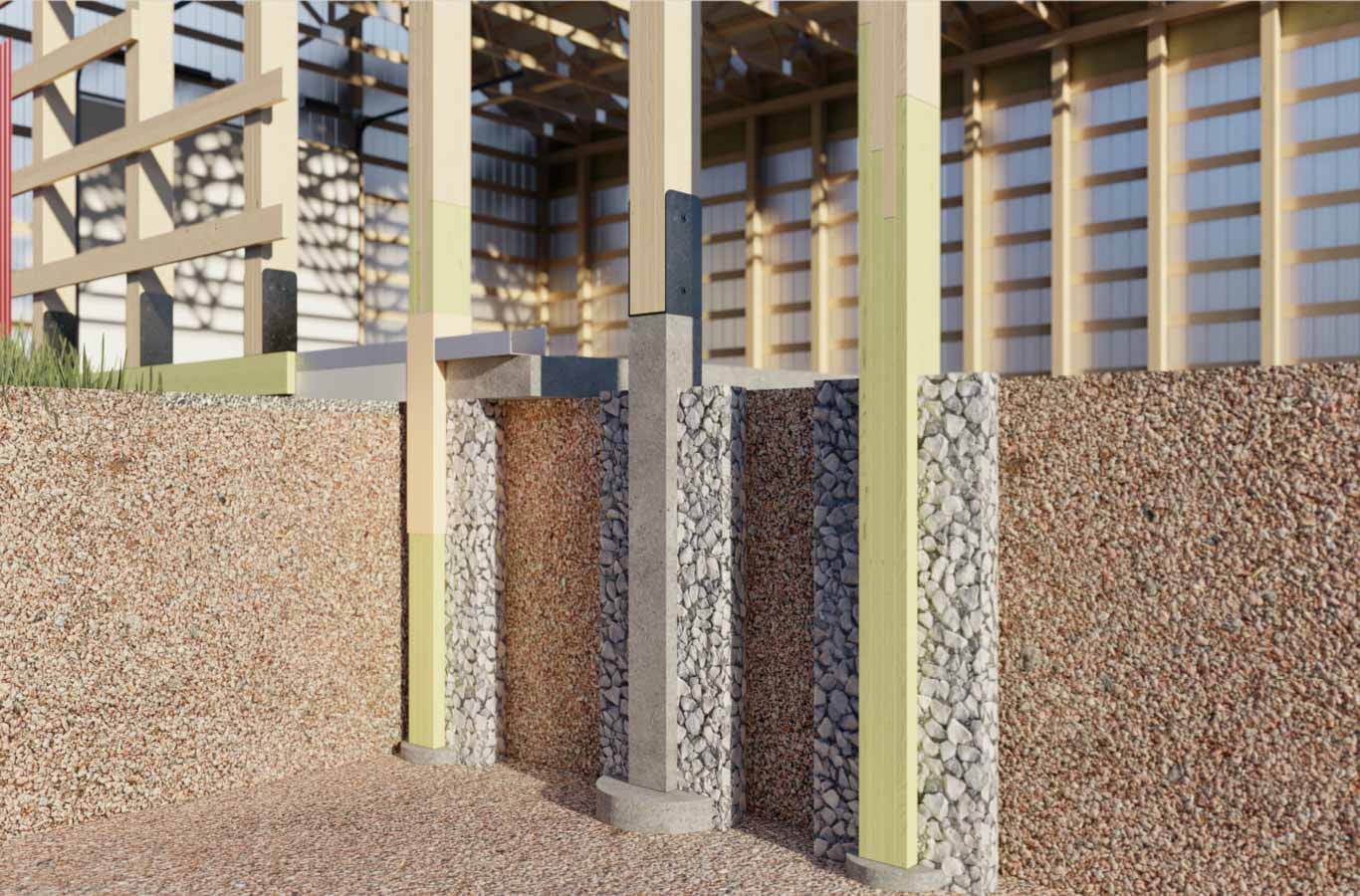
- Proven foundation systems like Standard, Grade Guard, and Perma-Column solutions, among others perform effectively in cold weather when properly engineered and installed.
- Post frame buildings erected in winter protect other busy seasons, allowing farmers, acreage owners, and businesses to focus on their work when the weather turns mild.
- Remuda delivers high-touch service and in-house manufacturing that ensure consistent quality and reliability across all winter and year-round builds.
Winter is a practical season to build a post frame in Canada. Frozen ground, open schedules, and drier air can combine to produce a solid result. Rural property owners who start now set themselves up to use their shop, barn, or arena sooner than waiting until snow recedes to start building. The process calls for a few adjustments, yet the advantages are real for farms, acreages, equestrian facilities, commercial users, and residential buildings.
Construction crews trained for cold conditions know how to protect materials, keep footings on grade, and stage concrete at the right time. Permitting and engineering continue through winter, so timelines can move while you focus on daily work. A winter post frame building plan also respects your busy seasons, from spring fieldwork to summer projects around the yard. Confidence grows when you partner with a builder that treats cold weather as a normal season, not a problem.
“Frozen ground, open schedules, and drier air can combine to produce good results.”
Why Building Post Frame in Winter Makes Sense in Canada
Across Canada’s interior, winter temperatures lock the ground and reduce mud. Heavy trucks and cranes gain consistent access, which reduces ruts and protects topsoil. Municipal offices process permits year-round, and engineered drawings are prepared all season, so critical paperwork keeps moving. Shorter daylight is planned around, with efficient staging and safety habits that keep production steady. Weather windows still matter, yet cold is rarely a stop sign for an experienced post frame crew.
Post frame construction suits winter because the structural system goes up quickly once holes are drilled and posts are set. Framing, purlins, and cladding enclose the skeleton, which shields work areas from wind and snow. Concrete slabs can be poured after the shell is enclosed with steps to control interior temperatures or deferred to milder temperatures without slowing the overall schedule. Rural property owners end up with a tight envelope and functional building ready for spring use.
6 Benefits of Building a Post Frame in Winter
Choosing to build a post frame in winter opens a set of practical advantages that rural property owners feel on day one. Winter building projects deliver results that are comparable to any other season. The approach is proven across farm, acreage, equestrian, commercial, and residential projects across Canada.
1. Smooth Permit Process
Savvy builders know that winter can be a ‘secret season’ for a stress-free permit process. Because local building departments experience a seasonal dip in applications, rural property owners will benefit from easy access to and more personalized attention from officials for potentially quicker approvals.
2. Frozen Ground Improves Access & Reduces Site Disturbance
Frozen soil supports equipment and reduces rutting that can happen during shoulder seasons. Trucks reach the site without tearing up approach lanes, so cleanup time and remediation costs are often lower. Augers and excavation equipment work to the engineered depth even in frost.
Farmyards, acreages, and equestrian properties benefit because pasture and lawn areas stay intact under traffic. Less topsoil disturbance means spring grading is lighter and reseeding is minimized. Neighbours appreciate less tracking on roads, and you avoid the daily tug‑of‑war with freeze‑thaw that happens in late fall. Access predictability also keeps deliveries on schedule, which keeps framing moving.
3. Shorter Queues for Crews & Start Dates
Many rural property owners notice that builder calendars in the winter are less busy and more flexible, which aids mobilization. Fabrication of laminated posts and trusses continues indoors, so a winter post frame building can stage quickly once the site is ready. Engineering and permitting already flow through winter, so paperwork rarely causes a bottleneck. Starting in the winter means your building is usable for winter calving or spring startup.
Earlier starts reduce the risk of seasonal spikes in demand that can stretch lead times. Sub‑trades like overhead door installers and concrete finishers also have room in their schedules. Crews maintain quality standards regardless of the month. Farmers who value specific dates for calving, seeding, or prepping equipment for spring will appreciate this breathing room.
4. Winter Planning Secures Spring Use of Your Building
A decision to build now pays off when you hit spring with a functional shop, arena, or storage space ready to go. Farm equipment can move inside for pre‑season service without juggling tarps or yard space. Acreage owners gain a dry, secure spot for vehicles and hobbies before summer projects kick off. Commercial operators can receive inventory or stage work prior to the spring rush
Concrete slabs, floor drains, and interior cladding can be sequenced around temperatures without holding up overall progress. That sequencing lets you lock in the big benefits, like weather protection and equipment access, while finishing details follow. Scheduling ahead also improves pricing stability on materials, even if the calendar flips. Spring becomes the time to use the space instead of waiting for a hole in a busy schedule.
5. Precision-Focused Construction Standards
Crews maintain a rigorous attention to detail through every season, including winter, ensuring that each project receives concentrated focus. Daily planning aligns work with daylight and weather windows, and tasks are sequenced to lock in accuracy. Square, plumb, and level checks happen repeatedly while fasteners, brackets, and truss bracing go in.
Material delivery is coordinated and equipment runs on a predictable rhythm when the yard is firm, so lifts and staging stay efficient. Site safety also improves when mud is not hiding uneven ground or trenches. Rural property owners feel the difference when doors close smoothly, the building is properly sealed, and wall lines look crisp.
6. Winter Post Frame Building Protects Your Busy Seasons
Crop farmers protect planting and harvesting windows by tackling construction during the off‑season. Cattle farmers can avoid another season of cold weather calving by tackling early winter construction of a calving barn. Equestrian owners keep spring training uninterrupted because arenas and barns are already enclosed. Acreage and commercial owners avoid summer disruptions when family, customers, and crews need space. Calendar stress drops when construction happens while other commitments are slow.
A winter build also frees up equipment and labour later for concrete finishing, landscaping, or fencing. You control when to pour slabs or add interior metal cladding without fighting peak demand. Storage arrives exactly when you need it, not months after the need show up. The result is a year that runs cleaner, with fewer schedule collisions.
Winter is not a compromise for the post frame, it is a viable choice that fits how Canadians live and work. Access, framing, and timelines can be aligned with how you want to use the building. Rural property owners who start during cold weather lock in outcomes that feel comparable to spring and summer. Good planning makes the season an asset rather than a hurdle.
“Winter is not a compromise for the post frame, it is a viable choice that fits how Canadians live and work.”
Key Tips for Successful Winter Post Frame Construction
Preparation turns a cold site into a smooth build. Start with clear access and have a firm plan for snow handling. Power, ground prep, and safe storage help materials and crews do their best work. These tips reflect what keeps a winter post frame building on time and on target.
- Schedule site preparation before the ground freezes: Have your building pad leveled and compacted before the first hard frost and don’t forget to strip away all grass, topsoil, and roots.
- Plan access & snow management: Map truck routes, push snow to designated piles, and keep a salted turn‑around for deliveries. Consistent access keeps the schedule intact.
- Confirm utilities & temporary power: Your builder will provide a reliable electrical source for tools, heaters, and lights.
- Stage materials off the ground: Use dunnage, tarps, and breathable covers so lumber and cladding stay clean and dry. Good staging supports straighter framing.
- Sequence concrete wisely: Consider pouring slabs when temperatures stabilize. Proper timing protects finish quality and control joints.
- Protect openings early: Install doors and building wrap promptly to limit drifting snow and wind. A tight envelope speeds interior tasks and protects tools.
- Document site conditions: Photograph pre‑build conditions and stake lines for reference after snowfalls. Clear records help everyone stay coordinated.
Treat the season as normal construction time and the result will feel as polished as any other season’s build.
What to Know Before Starting a Cold Weather Post Frame Project
Permits, engineering, and surveys keep moving all winter, so start design conversations as soon as you decide to build. Share site plans and aerial photos that show access, utilities, and preferred orientation for overhead equipment doors. Discuss snow storage zones so plowing does not block delivery paths or door locations. Ask about building wrap, soffit & fascia details, and eavestroughs & downspouts that support winter performance. Confidence comes from a plan that ties design decisions to how you will use the building.
Crews will talk through site prep, winter safety, and where to store materials so nothing is buried after a storm. Expect a conversation about frost depth and soil types for foundation setting. Slab timing is flexible, so set expectations for when concrete finishers will return if you defer the pour to spring. Rural property owners who stay reachable for quick site decisions help momentum continue through short daylight and shifting forecasts. A brief weekly check‑in keeps everyone aligned on next steps.
How Remuda Helps You Build Strong Post Frame Structures Year‑Round
You want a building that fits your work, your livestock, or your hobbies without creating new headaches. Remuda starts with an on‑site visit across BC, AB, or SK to understand access, drainage, wind, and how you plan to use your building. That context drives design choices on size, layout, and options like lean‑tos, mezzanines, and soffit & fascia. Our engineering process focuses on structural integrity, not shortcuts, so trusses, laminated posts, and connections work together for strength. Personal, high‑touch service stays constant from design to completion, because clarity keeps projects moving smoothly.
Manufacturing of key components for Remuda buildings happens in-house, which supports quality control and predictable timelines. We also build year‑round, protect materials carefully, and sequence concrete and doors for accuracy and long‑term performance. Building owners see the difference when doors operate smoothly, their building is well sealed, and wall lines stay straight. The promise is simple and proven: Above & Beyond Ordinary.
Trust our experience, count on our process, and expect a building that works hard for decades.
Common Questions About Building a Post Frame in Winter
Farmers and rural property owners often ask if winter is a good time to start and what needs to change in cold weather. The short answer is that cold is normal, not exceptional, for crews who plan and stage properly. Foundations, framing, and cladding all proceed safely with the right tools and sequencing. Clear access, dependable power, and quick decisions from the client make the biggest difference.
Yes, it is smart to build a post frame in winter when you value access and schedule flexibility. Frozen ground supports trucks and lifts, so the site stays cleaner and less rutted. Starting in winter also positions your building for spring use.
Canadian crews build post frame year‑round, including during deep cold across the Prairies and Interior. Foundation holes are drilled to engineered frost depth, and posts are set true with clean backfill. Shells are enclosed promptly, so wind and snow are managed while finishing tasks continue. Concrete slabs can be poured later if temperatures do not suit, which prevents quality issues.
Successful cold weather post frame construction relies on planning and protection. Access is kept open, materials are staged off the ground under covers, and building wrap is installed quickly. Heaters are used where needed for adhesives, sealants, or crews working in tight spaces. Supervisors sequence tasks around daylight to keep accuracy high and safety consistent.
Work can proceed with snow on the ground when layout and safety are managed. Sites are cleared to bare soil or compacted snow where equipment will travel, and stake lines are re‑checked before drilling. After storms, crews remove drifted snow from framed sections and protect openings so water does not intrude during melt. The key is steady housekeeping and a plan that keeps snow piles away from doors and delivery zones.
Concrete slabs, floor drains, and some exterior grading are often scheduled for the first sustained warm spell. That approach protects slab finish quality and keeps control joints crisp. Landscaping, aprons, and final driveway lifts also fit well once frost is gone and soils settle. Rural property owners still get full value from a winter build because the enclosed structure is ready for immediate use.