KEY TAKEAWAYS
- Plan around your daily life. Strong barndominiums start with lifestyle, flow, and long-term use—not just square footage.
- Treat site work as a performance investment. Survey, access, drainage, and utilities shape approvals, safety, and build efficiency long before framing.
- Make engineering and permits part of quality control. Complete, stamped drawings matched to local loads protect timelines, inspections, and longevity.
- Design for light, movement, and noise control. Window orientation, door placement, and mechanical rooms influence comfort, workflow, and energy results.
- Choose a builder for fit and rigour. Rural experience, in-person property visits, clear scope, and controlled manufacturing create predictable outcomes.
You want a home that works like a shop and feels like a rural retreat in your downtime. A barndominium delivers that blend, which is why interest across Canada keeps climbing. The idea is simple—create a home that aligns with daily life in the country by bringing functional shop space and living space under the same roof—yet the planning is detailed and benefits from the right guidance. The goal is to line up decisions so your build goes smoothly and enhances life in the country from first sketch to turning the key on move-in day.
Every successful barndominium starts with clear intent, realistic timelines, and a builder that understands rural properties and your way of life. Design choices like layout, footprint, and door clearances influence how you live, work, and store gear day to day. Local permitting rules and site conditions shape what is possible long before posts go in the ground. Clear choices early on lead to a smoother build and a result you are proud to live in.
“You want a home that works like a shop and feels like a comfortable home.”
Understanding What a Barndominium Really Is in Canada
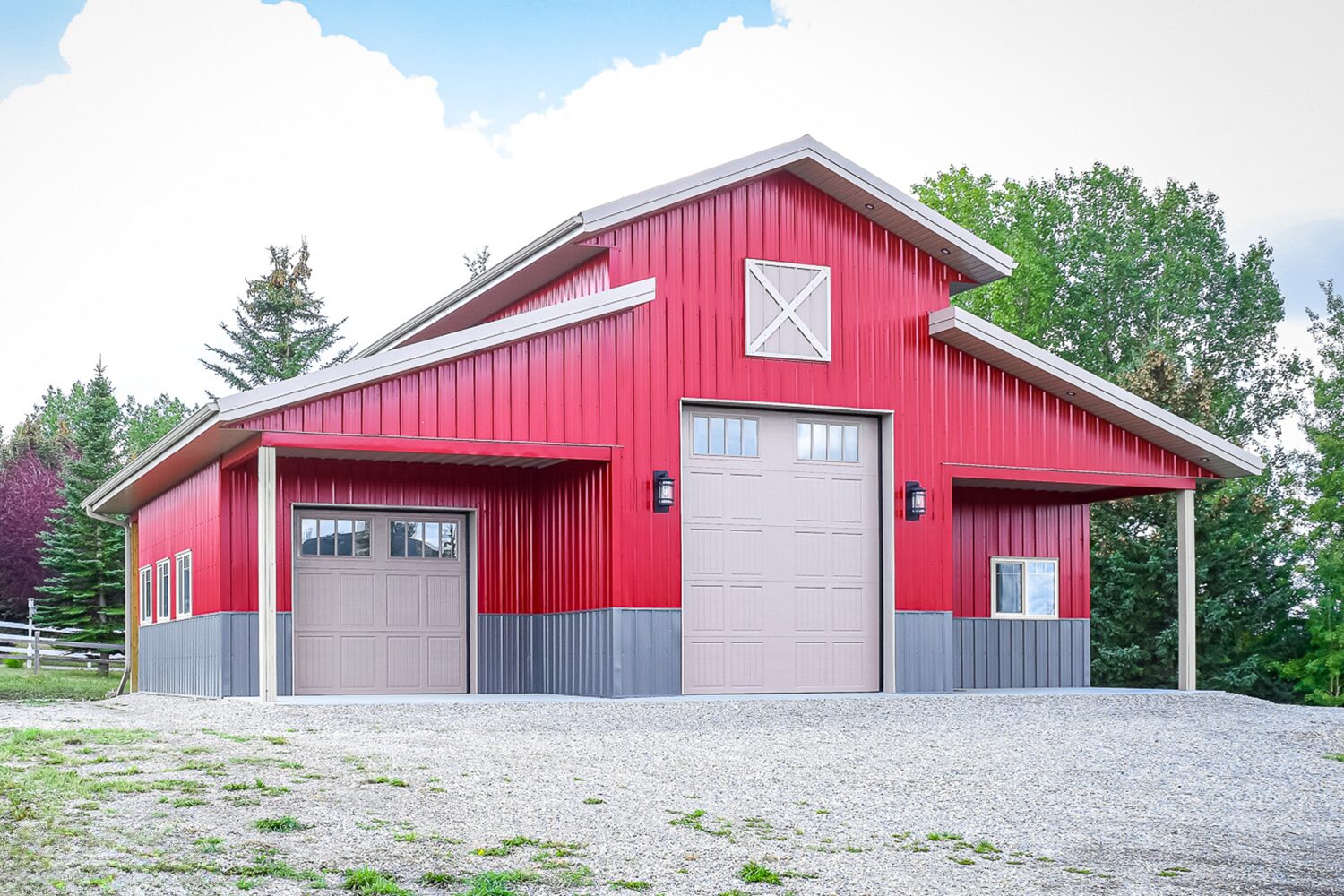
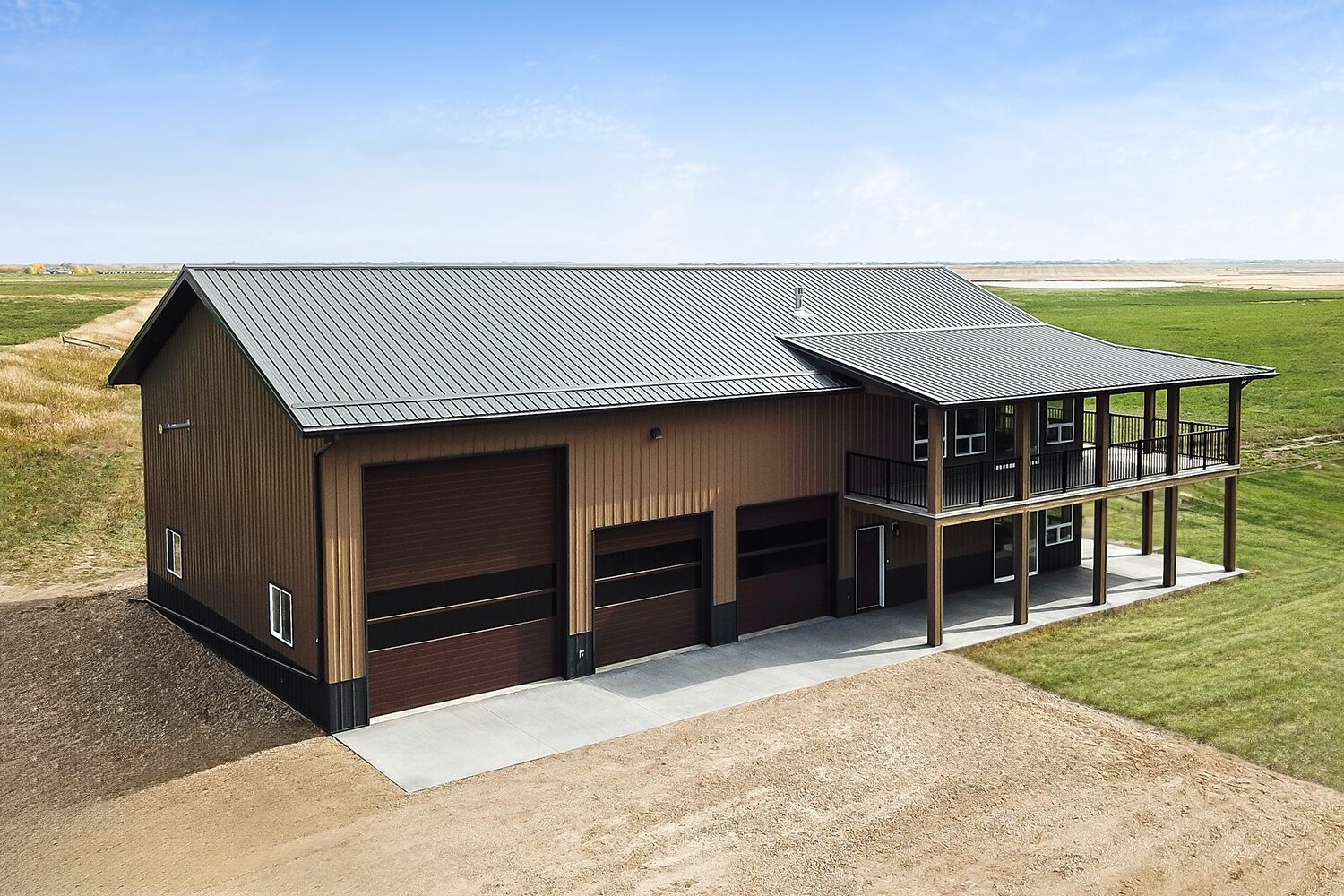
A barndominium is a primary residence that integrates generous workspace, storage, or a hobby shop into a single, cohesive building. Families often combine their primary residence with an attached shop for trucks, tools, or small business activities, which keeps daily life close and convenient. Modern exteriors can be tailored with colour choices, wainscoting, porches, oversized window groupings, and trim that rival traditional homes while maintaining rustic charm. The outcome is a home that fits rural life by securely protecting vehicles and supporting work, projects, and hobbies.
Barndominiums in Canada are commonly built using post frame construction because the system delivers wide clear spans, flexible layouts, energy-efficiency, and reliable structural performance on rural sites. Families get practical benefits like tall overhead doors that fit RVs, and spacious interiors that support endless layout possibilities. The concept suits families, hobbyists, and small business owners who value space, comfort, and productivity in one convenient place.
How the Barndominium Building Process Works from Start to Finish
A strong barndominium building process feels organized from the start and reduces surprises later. Clear steps and well-defined roles keep decisions in the right order, protect timelines, and support a smooth path from first conversations to a completed shell ready for interior finishing. Early feasibility checks save time by identifying constraints before you commit to a footprint and floorpan. Consistency across drawings, permits, inspections, and communication protects quality and keeps the project smooth and predictable.
Choose a Suitable Property
Many families begin the barndominium conversation before purchasing land. When evaluating rural parcels for your future home, factors like slope, soil conditions, and available services play a major role. Local requirements—such as zoning, required setbacks from neighbouring properties, creeks, or valleys—combined with the parcel’s natural characteristics, shape what’s possible for building location, footprint, and overall design. A thorough site evaluation and due diligence before purchasing land helps prevent costly surprises later in the build process.
Budget Alignment
In addition to constructing the barndominium itself, site preparation, utility servicing, and access can represent meaningful scope and should be budgeted for early. Confirm power, natural gas or propane, water supply, and wastewater options upfront. Soil conditions, drainage, and slope directly influence the cost of levelling the building pad, trenching utilities, and constructing driveway access. A realistic budget helps prevent barndominium cost overruns and ensures your investment is focused on the features that matter most in your home. The final cost of a barndominium in Canada is determined by a combination of these factors and costs can vary widely based on the complexity of the design, size, and required preconstruction costs. The following ranges will help you set a realistic initial barndo budget:
- Finished residential section: $225-$350/sq ft
- Finished shop section: $60-$80/sq ft
- Driveway & groundwork: $1,000-$100,000 depending on land conditions
- Septic system: $15,000-$30,000
- Water well: $8,000-$15,000
- Power service: $5,000-$15,000
- Natural gas service: $6,000-$10,000
- Development & building permits: $500-$3,000
Vision & Feasibility
Your barndominium should be shaped around how you want to live, work, and move through your day. Start with the lifestyle you envision—how spaces connect, how the home and shop relate to one another, and how the building supports both daily work and relaxation. A clear understanding of your lifestyle ensures purposeful design that aligns your home with how you live. Families who love to host often prioritize open kitchen-living spaces or expansive decks and porches, while those with RVs, off-road vehicles, or hands-on hobbies benefit from larger, more functional workshop spaces designed around their needs.
Feasibility covers what your land and municipality, plus budget allows. Zoning, setbacks, and lot coverage influence footprint and height, and whether your vision is realistic. Early conversations with a barndominium builder help confirm what is practical before designs move too far.
Select Your Post Frame Builder & Interior General Contractor
For most post frame barndominiums projects, you will need to choose a post frame builder and a general contractor to bring your dream home to life. The post frame builder will engineer the structure of your home to local snow and wind requirements before breaking ground on construction. They’ll bring your building to the lock-up stage, delivering a weather tight shell ready for interior work. Your chosen general contractor then takes over, framing and finishing the residence with electrical, plumbing, drywall and cabinetry.
This division of responsibilities creates clarity, accountability, and a smoother build process. Having a dedicated post frame builder focused on the engineered shell ensures structural performance, efficiency, and code compliance, while a general contractor specializing in interiors delivers residential comfort, finishes, and livability. When each phase is led by the right expertise, the shell and interior are intentionally designed to work together—reducing rework, avoiding conflicts, and resulting in a barndominium that performs as well structurally as it lives day to day.
Preliminary Design & Engineering
When building a barndominium or post frame home, you can choose between proven standard models—such as two-storey barndominiums or rural bungalows—or pursue a fully custom build. For many families, a well-designed standard floor plan offers an excellent balance of functionality, efficiency, and cost control while still aligning with how they live. For those with more specific requirements, a custom design provides the flexibility to tailor layouts, spaces, and features so the home truly fits their needs.
Once the layout is established, the structure is engineered to support it and to perform reliably under the snow loads and site conditions specific to your location.
Permitting & Approvals
Permits formalize what you plan to build and how inspections will occur. Many rural municipalities require a development permit before a building permit. Engineered drawings, site plans, elevations, and truss layouts typically support the application, and your energy compliance path must be documented. A tidy submission package reduces back-and-forth and helps the project move forward smoothly.
Build & Handover
Construction begins once the building pad is prepared and materials are staged on site. Your post frame builder completes the weather-tight shell in accordance with the approved plans, including the structural frame, building wrap, exterior cladding, windows, and doors. If your design includes a finished workshop area, this portion can also be completed at this stage with insulation, vapour barrier, and interior wall metal.
Throughout construction, quality checks verify workmanship and alignment with the barndominium drawings. A final walkthrough confirms door operation, building seal, and overall fit and finish. At that point, you take possession of a complete, durable shell—ready for interior construction to begin.
Interior Finishing by a General Contractor
After handover, your general contractor begins interior work. This includes framing interior walls, insulation, plumbing, electrical, drywall, flooring, cabinetry, and all final finishes. This stage transforms the structural shell into a home that reflects your style, mechanical needs, and daily routines. Coordinating this step early keeps the home on schedule and protects the investment you have already made in the shell.
Barndominium Process Summary
| Phase | What you do | What your builder does | Typical outputs |
| Choose a property | Review candidate parcels, ask early questions | Provide site insight for access, services, and feasibility | Property short list, feasibility notes |
| Budget alignment | Budget for the entire project | Provides rough construction costs for preliminary plans | Comprehensive budget, realistic expectations |
| Vision & feasibility | Define goals, uses, and must haves | Validate constraints and opportunities on your land | High level brief, feasibility notes |
| Select builder & GC | Choose structural builder and interior general contractor | Align shell scope with interior sequencing | Roles, responsibilities, and planning expectations |
| Design & engineering | Approve layouts and elevations | Engineer structure and foundations | Engineered drawings, material takeoff |
| Permitting & approvals | File submission package for approvals | Prepare permit documents for submission package | Permits, inspections schedule |
| Build & handover | Arrange building pad prep, ensure site is accessible | Construct the shell and complete reviews | Completed shell, care and maintenance overview |
| Interior finishing | Work with your GC on interior decisions | GC completes all interior trades and finishes | Finished living space ready for move-in |
Essential Steps for Preparing Your Land Before Construction Begins
Strong site preparation speeds construction, protects the structure, and supports smooth approvals. A level building pad with proper clearance and carefully planned utilities matter as much as building size or layout. A checklist helps, but the value comes from handling the details early. Good preparation improves safety for crews, reduces change orders, and keeps the barndominium building process steady.
- Confirm legal survey and property lines: A current survey prevents encroachment issues and helps your builder place the barndominium accurately within setbacks.
- Plan construction access: Reliable approaches for delivery trucks construction equipment reduce delays and protect ditches, culverts, and driveways from damage.
- Locate and plan utilities: Power, natural gas or propane, water, and wastewater solutions require clear routes that will not conflict with heavy equipment or future landscaping.
- Clear and rough grade the pad: Remove organics such as trees from around the building site to ensure construction crews have room to work. Then create a compacted, level pad for accurate layout and long-term performance. This is the foundation for a square, true shell.
Early attention to the ground reduces surprises once posts arrive. Crews can focus on construction instead of working around ruts, soft soils, or unclear staging areas. Inspections often go smoother when the site looks organized and compliant. Thoughtful site preparation supports a more predictable barndominium building process from layout to handover.
Key Factors to Consider When Planning a Barndominium Design
Barndominium design choices shape how you live each day as much as how the building looks from the road. The most comfortable homes feel effortless because storage, traffic flow, and daylight were planned with care. Small layout changes often create major lifestyle gains without increasing overall size. Good design ensures a rural home that houses your family comfortably for decades.
Lifestyle & Adjacencies
The most successful barndominiums are designed around how your family lives day to day. A thoughtful layout creates a natural rhythm between living, working, storage, and relaxing, allowing the home to feel calm, productive, secure, and comfortable in every season of life.
Adjacencies play a key role in that experience. When living spaces are arranged with intention, the transition between home and shop feels seamless rather than disruptive. Areas in the residence like the kitchen and bedrooms remain quiet and relaxed, shared spaces feel open and welcoming, and practical spaces quietly support daily routines without disrupting life inside the home. The result is a residence that feels cohesive and balanced, rather than compromised by the presence of an attached workshop.
Dimensions, Height & Span
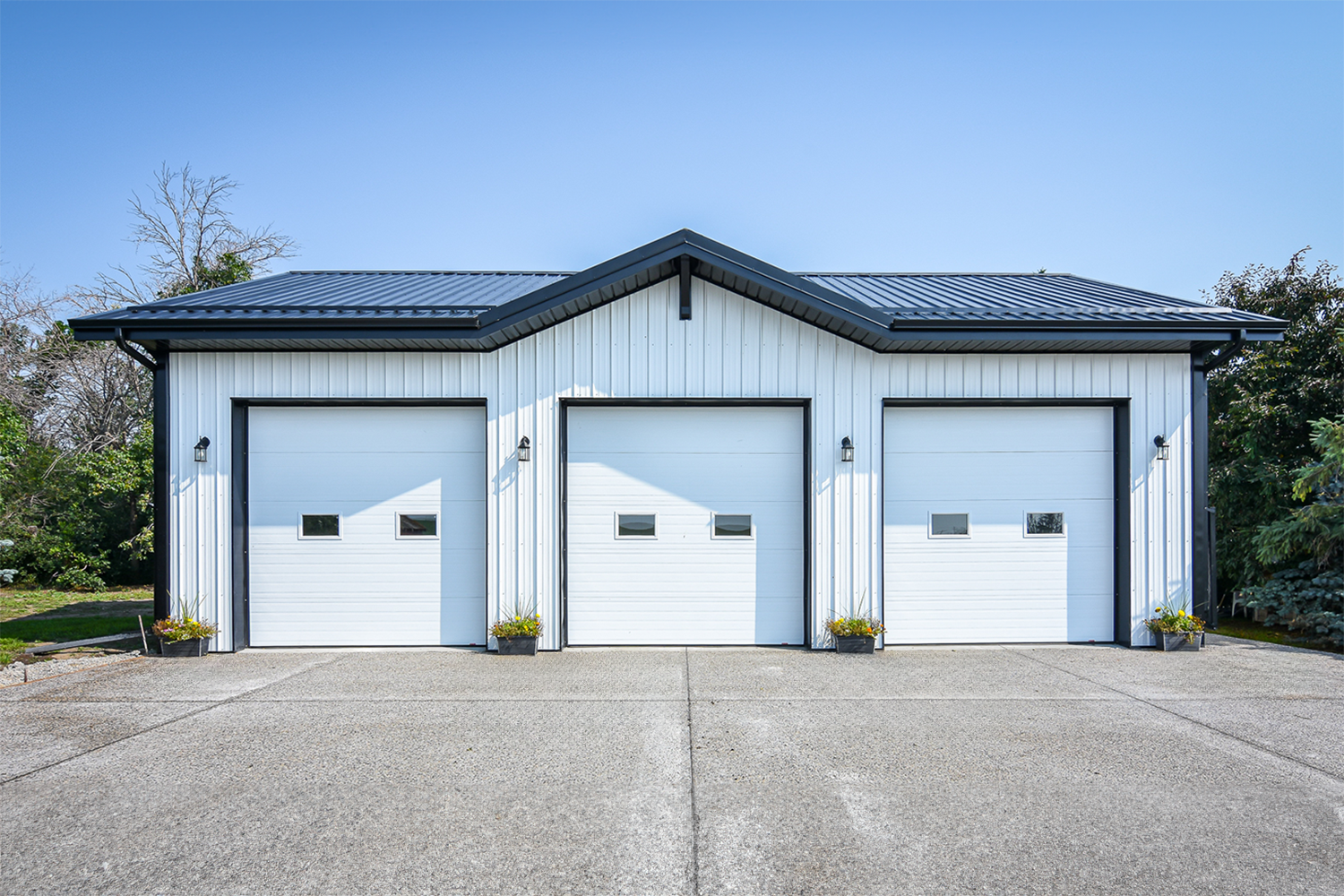
Width, depth, and height set the limits for every other choice in barndominium planning. Clear spans in the shop keep floor space open for vehicles and workbenches without disruptive columns. Taller walls fit car lifts and allow overhead doors that fit RVs, boats, or lifted trucks, which solves security concerns and inconvenience of outdoor or off-site storage. A footprint like 40’ x 60’ x 16’ is common for an attached shop, though exact sizing depends on your vehicles and storage needs.
Small dimension changes can unlock better furniture placement and door alignments. A few extra feet in width can improve window spacing in bedrooms and sightlines across the great room. Taller walls give room for transom windows that bring daylight deep into the plan. Height also supports mezzanines for storage or an office above the shop if you prefer.
Windows, Doors & Daylight
Windows control mood and comfort inside, not just curb appeal. Group windows where people spend time and place them for cross ventilation so fresh air moves easily through living areas. Smartly placed windows take advantage of the expansive country views your property offers, ensuring you remain connected to the land—even while indoors. Overhead doors in the shop should match both vehicle height and turning space on the apron outside. Man doors near the driveway and yard reduce wear on the overhead door and make quick trips easy.
Orientation matters for natural light and passive comfort. South and east exposures brighten kitchens and dining spaces through most of the day. North-facing windows give even, soft light that suits offices or hobby rooms. Well-placed glass improves energy performance because you get more daylight without relying on artificial lighting.
Mechanical Zones & Utility Routing
Mechanical zones deserve early attention so they do not intrude on living space later. Plan where furnaces, HRVs, water heaters, and electrical panels will sit and how they connect to service entrances. Keep noisy equipment isolated from bedrooms and family rooms, especially if the shop runs tools after dark. Clear framing paths for ducts, plumbing, and venting protect both performance and appearance.
Utility routing also influences ceiling heights and storage options. Straight runs reduce friction losses in ducts and create space for attic insulation to work properly. Short plumbing lines save energy and improve hot water response times. Locating floor drains in the shop and planning a slight slope can keep water away from walls and stored items.
Exterior Details & Curb Appeal
Exterior design brings the home together with a sense of rustic charm that feels natural in a rural setting. When chosen with intention, these elements create a barndominium that feels refined, cohesive, and distinctly yours. Colour palettes, contrasting trim, window groupings, and subtle architectural accents add depth and character without overpowering the design.
Porches, covered entrances, and wraparound decks extend the home beyond its walls, creating comfortable outdoor spaces that invite everyday use and connection to the surrounding landscape.
A thoughtful design makes everyday tasks easier and keeps the building comfortable across seasons. Decisions about spans, openings, and mechanicals affect each other, so treat the plan as a connected system. It is worth planning for how you live now and for the needs you can see ahead, so the building continues to work for you without relying on major renovations later.
“The floor plan leads, and the shell follows.”
How Barndominium Blueprints Guide the Design & Building Process
Barndominium blueprints translate your decisions into precise instructions that crews and inspectors rely on. Plans include dimensions, elevations, structural details, and schedules for doors and windows so nothing is left to guesswork. Accurate drawings also streamline material orders and reduce waste by matching the engineered design. The blueprint set becomes the single source of truth for layout, structure, and exterior details.
A well-built set will also include notes for foundations, posts, trusses, cladding, and weather details like building wrap and flashings. Door and window schedules ensure openings line up with wall heights and trim profiles so the look stays consistent. When everything on paper matches what you want in life, the barndominium building process stays predictable and exciting.
Common Mistakes to Avoid During Barndominium Planning & Design
Poor planning, not construction quality is often the reason barndominium builds fail to meet expectations. Rushing through early steps is the most common way to create problems that cost time later. Planning your home is exciting, so it’s easy to get ahead of yourself and miss early requirements. Small misalignments in drawings or site plans can become bigger issues once framing starts. A patient, organized approach gives you more control without slowing the project down. Avoiding these pitfalls keeps the focus where it belongs.
- Forcing the shell size before the floor plan is set: The interior layout should lead so windows and all door types land in the right places.
- Underestimating height and overhead door clearances: A few inches decide whether an RV or lifted truck fits comfortably and safely.
- Failure to budget for site work: Site preparation like grading and utilities are essential. Underestimating the costs will chew up budgets quickly
- Leaving mechanical zones to chance: Equipment that is noisy or in the wrong place will frustrate daily life and chew up storage.
- Treating the shop and living spaces as separate projects. Barndominiums are most enjoyable when the shop and residence are planned as a single, integrated project.
- Assuming utilities will “work themselves out.”: Power, gas or propane, water, and wastewater all need defined routes and protection.
- Treating permitting as a box to tick: Clear documents and engineered drawings prevent delays and multiple inspections.
- Planning only for today’s needs: Not accounting for future vehicles, equipment, or family growth often leads to costly renovations. A barndominium should reflect how you expect to live in the years ahead, not just the present moment.
Careful planning avoids rework, change orders, downtime, and most importantly, regrets. The money you spend on early clarity is often repaid through fewer complications during construction and a home that enhances your family’s life in the country. Your future self will appreciate that doors align, water drains where it should, and spaces feel natural to live in. Thoughtful barndominium planning keeps the project calm and on course.
Important Permitting & Code Considerations for Canadian Barndominiums
Permits and codes ensure your barndominium is safe, durable, and recognized as a legal dwelling. Requirements vary by municipality, which means the path to approval changes across provinces and even between neighbouring counties. Strong engineering and tidy documents reduce friction at this stage. Treat approvals as part of quality control rather than red tape.
Zoning & Land Use
Zoning defines what can be built on your parcel and where it can sit. Development permit rules can address placement, height, and appearance, along with how the building relates to the road and neighbouring parcels. Rural parcels often have generous footprints, but setbacks and lot coverage still apply. Confirming these details early informs the footprint and helps avoid major redesigns.
Land use also governs secondary uses such as a home-based business or attached shop that supports a trade. Municipalities can limit allowable activities or traffic levels related to the shop portion. If your plan includes commercial-scale activity, clarify whether it fits within residential zoning. Early confirmation removes doubt and keeps the barndominium design safe.
Energy & Insulation Requirements
Canadian climates demand careful energy planning. Provinces reference national energy codes that offer multiple compliance paths, each with different documentation. Window performance, air sealing, and insulation levels must align with your location and the selected compliance path. A coordinated approach improves comfort and lowers operating costs.
Energy planning belongs in design so door sizes, ceiling heights, and mechanical choices that affect energy performance should be coordinated with structure. In addition, air sealing strategies pair with building wrap and attic ventilation for a balanced system. Documentation is smoother when the energy plan is written into drawings from day one.
Foundations & Soil Conditions
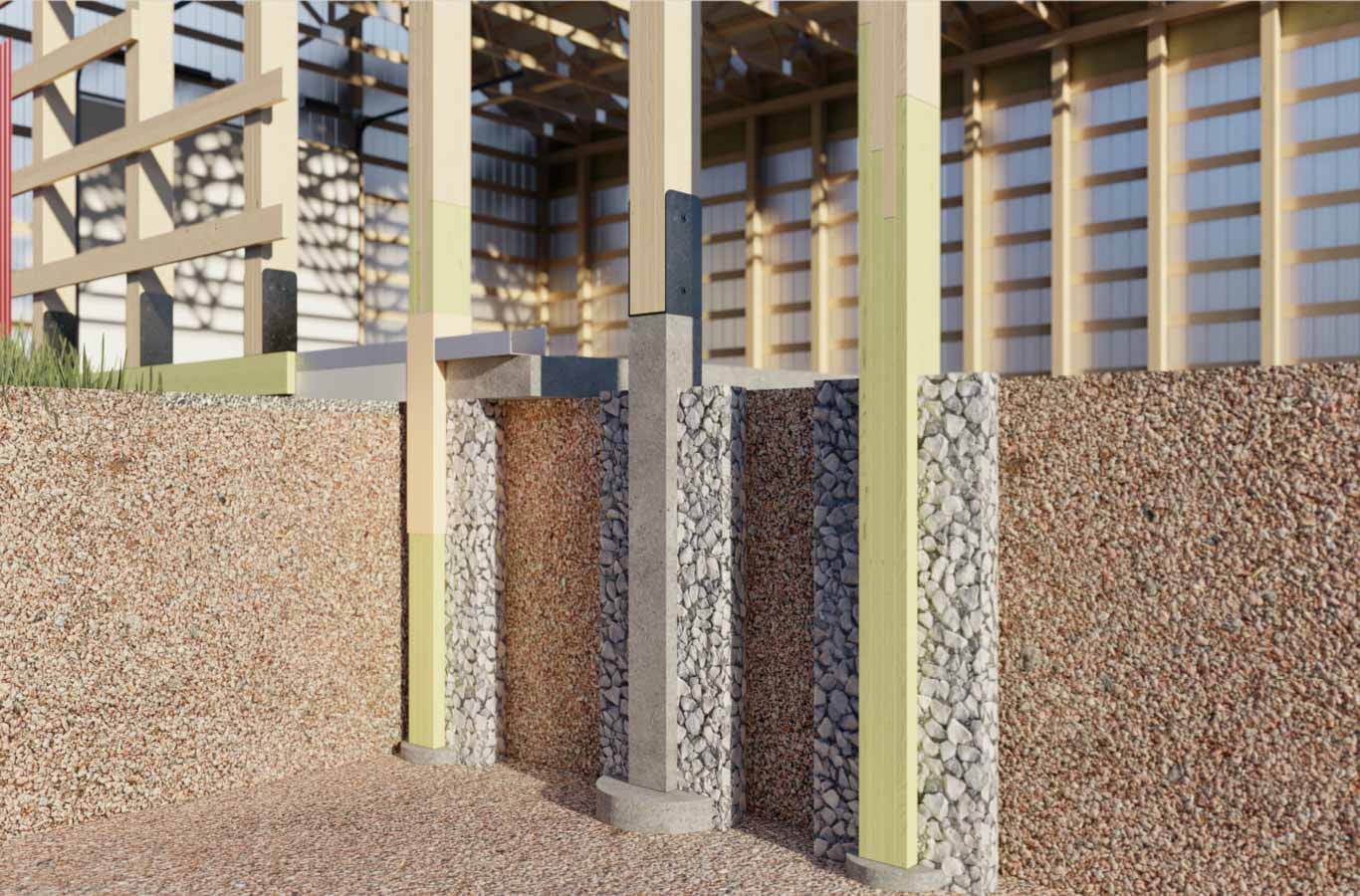
Foundations must match your soil, moisture, and frost conditions. Barndominium builders offer several post foundation systems, that range from standard treated post embedment to concrete or steel piers that fasten to wood posts. The right choice for your project depends on your budget, soils, drainage patterns, and how you want the structure to perform and age over time. Proper detailing at grade protects longevity and supports clean inspections.
Soil testing reveals bearing capacity and groundwater behaviour that influence drilling and backfill. Good drainage around the building reduces frost heave risk and supports long-term slab and approach performance. Eavestroughs and downspouts that move water away from posts help control moisture at ground contact. A well-drained site is a strong starting point for a long-lived structure.
Snow, Wind & Seismic Loads
Structural engineering must match the loads in your specific location. Truss design, spacing, and fastener patterns respond to expected snow and wind loads to protect the structure and its occupants. Some regions also include seismic considerations, which influence connections and lateral bracing. Matching the design to local loads keeps performance predictable through harsh seasons.
Load requirements are not guesswork. Engineers apply regional data and standards, then produce drawings that inspectors can verify on site. The result is a barndominium that does not just look sturdy but is truly engineered for where you live. That confidence shows up years later when the building still feels tight and solid.
Rural Services, Fire Access & Egress
Approval bodies look at more than structure. They assess safe driveway access for emergency vehicles and verify that doors, stairs, and windows meet egress requirements. Rural water supply plans for firefighting can also be part of the review in some areas. A clear site plan shows how these needs are met without crowding the building footprint.
Services must be practical during and after the build. Marking utility routes and keeping approaches free of obstructions helps inspectors and protects crews. Thoughtful door and window layouts make emergency egress simple and safe. Aligning these details with code is easier when they are considered during design instead of during framing.
Permitting also goes smoother when documents are complete, drawings are engineered, and the site plan tells a clear story. Treat feedback from officials as valuable input to make the building safer and more durable. A well-prepared package shortens approval timelines and builds confidence that your barndominium project meets expectations.
How to Choose the Right Builder for Your Barndominium Project
Picking the right builder matters as much as a good plan. Choose a partner with proven post frame skill and who is clear, present, and accountable.
- Ask for property visits early. A builder who walks your land and discusses access, drainage, and utilities will uncover issues before they become costs.
- Look for clear scope and deliverables. You should understand what is included, who handles permits, and how inspections are scheduled.
- Review engineered drawings from similar projects. Examples show the level of detail you can expect in your barndominium design and blueprint set.
- Confirm rural experience. Post frame on an acreage and rural sites is not the same as urban construction, and references should reflect that.
- Evaluate communication style. Regular updates and a named point of contact reduce stress and keep decisions moving.
- Understand warranty and support. Clear after-care builds long-term trust and helps you protect the building through the seasons.
A builder who values preparation will save you time and keep the site safer. You will benefit from fewer interruptions and cleaner inspections. Regular communication keeps choices aligned with your goals and budget controls. The right partner keeps their promises, stands behind the finished work, and cares about making your dream rural life a reality.
Why Post Frame Construction is Ideal for Modern Barndominiums
Post frame construction delivers wide clear spans, capability for tall walls, and flexible layouts that suit barndominiums with attached shops. Fewer interior load-bearing walls mean your floor plan has endless possibilities. Posts bear loads efficiently, which allows spacious interiors while keeping the structure strong. The system is engineered for Canadian snow and wind conditions and adapts well to exposure on rural sites.
Exterior finishes and details pair naturally with the post frame. You can select colours, wainscoting, porches, soffit and fascia, and trim packages that feel residential rather than industrial. The result is a home that looks polished with rustic charm and works hard without compromise.
Building Confidence with Remuda’s High-Touch Barndominium Approach
Many families worry about surprises during approvals, mismatched expectations on site, or design details that do not translate to real life. Remuda’s process addresses those concerns with early property visits, clear design conversations, and engineered drawings that reflect how you will actually use each space. When you build with Remuda, you’ll work with a dedicated Bardnominium Specialist. In-house manufacturing of laminated posts and trusses supports quality control and schedule reliability where it counts most. We align floor plans with shell dimensions so windows, doors, and overhead doors match the way you live and work. That attention to detail is part of our promise to go Above & Beyond Ordinary in creating a space design for your rural lifestyle.
Scope clarity also matters for residential shells. We build barndominiums and shop homes to the lock-up stage, then you complete interiors with your chosen trades so the home reflects your style and budget. Personal service, clear communication, careful engineering, and controlled manufacturing come together to deliver a shell built for long-term value. You can count on a partner who keeps promises and focuses on your priorities from first visit to handing over the keys.
Common Questions About Barndominium Planning in Canada
Start with how you live and work, then define spaces that support those routines with short, direct paths. Decide the relationship between the shop and living areas, including mudroom placement, noise separation, and door alignments. Confirm services, access, and drainage on your land so the site fits the plan rather than fighting it. Move into engineered drawings once layout and dimensions feel right and match local zoning.
Start by designing around how you want the home to live, not just how it looks. A strong layout prioritizes comfort, flow, and long-term flexibility, ensuring everyday routines feel natural and effortless. Thoughtful proportions, well-connected spaces, and intentional daylight make the home portion feel warm and livable rather than secondary to the structure.
The process typically moves from vision and feasibility to site due diligence, then into design and engineering. Permitting follows with engineered drawings and supporting documents, after which construction begins on posts, trusses, and cladding. Windows and doors are set once the shell is square, and finishing to lock-up completes the exterior. A final review covers operation of doors and drainage, along with care and maintenance expectations.
Building a barndominium in Canada starts with choosing a construction method and builder that understands local conditions. Most Canadian barndominiums are built using post frame construction because it performs well in cold climates and supports open, flexible layouts. Working with a reputable barndominium builder early helps ensure the design, engineering, and materials are suited to Canadian snow loads, wind requirements, and permitting processes.
Many barndominium builders offer standard blueprints, but there are also third-party companies with an extensive selection of plans that can be found online. Custom blueprints come directly from a builder or designer who understands post frame and local codes. Ask to see example drawing sets that match your intended size, height, and features so you know what level of detail to expect. The best sets coordinate structure, openings, and energy requirements, which keeps materials and inspections aligned. Treat the blueprint as the contract drawing that every trade and inspector can rely on without guesswork.