KEY TAKEAWAYS
- Indoor riding arena safety starts with clear-span engineering, consistent footing, balanced ventilation, and clear lighting.
- Size, height, and door placement should match how you ride, maintain footing, and move your horses each day.
- Riding arena cost clarity improves when site prep, structural loads, and must-have features are defined before detailed design.
- Practical designs emphasise airflow, daylight, kick walls, and simple traffic flow for riders, spectators, and equipment.
- Working with experienced indoor riding arena builders in Western Canada delivers local engineering fit and dependable riding routines.
You and your horse deserve a safe, bright, and consistent place to train year round. An indoor riding arena supports that routine through extreme temperature swings, icy mornings, prairie storms, and smoky summers. Strong design choices protect riders and horses by shape airflow, footing quality, and visibility. Careful planning with experienced indoor riding arena builders helps you avoid costly do-overs and keeps training, riding, and caretaking on schedule.
A Canadian riding arena must stand up to snow loads, wind exposure, and hard freeze thaw cycles. Your site, riding style, and whether the arena serves personal or commercial use will guide size, height, and key features. Commercial arenas for horse trainers or riding academies often call for a more polished look, viewing areas for parents or guests, dedicated areas for saddling horses, and space for offices or equipment storage. Thoughtful details such as kick walls, wall lights, and exhaust fans add safety, clarity, and comfort for horses and riders in any setting.
“Your horse deserves a safe, bright, and consistent place to train year round.”
Indoor Riding Arena Basics & Safety Priorities
Safety lives in the durability of the structure, the ground your horse lands on, and the air you both breathe while inside. Each choice affects how confidently you ride and how well the building stands up through Canadian winters. Careful attention to fundamentals and your daily routines during planning prevents small issues from becoming daily frustrations. Horse owners or trainers who set clear priorities early will see those decisions pay back in safety, longevity, and a pleasant indoor rides.
Clear-Span Post Frame Structure & Engineering
Post frame construction is well-suited for indoor arena construction because it creates wide, unobstructed spans that keep sightlines open and remove interior columns from riding lines. For safety, it’s important the building is engineered to offer wide-open interiors without sacrificing its ability to stand up to wind and snow loads. Laminated posts and engineered trusses carry heavy loads while maintaining a clean interior footprint for roping, jumping, or racing. Proper engineering reflects provincial snow loads, wind exposure, and the bearing capacity of your site. This structural clarity supports safe movement, consistent footing depth, and dependable openings for drags, tractors, and maintenance equipment.
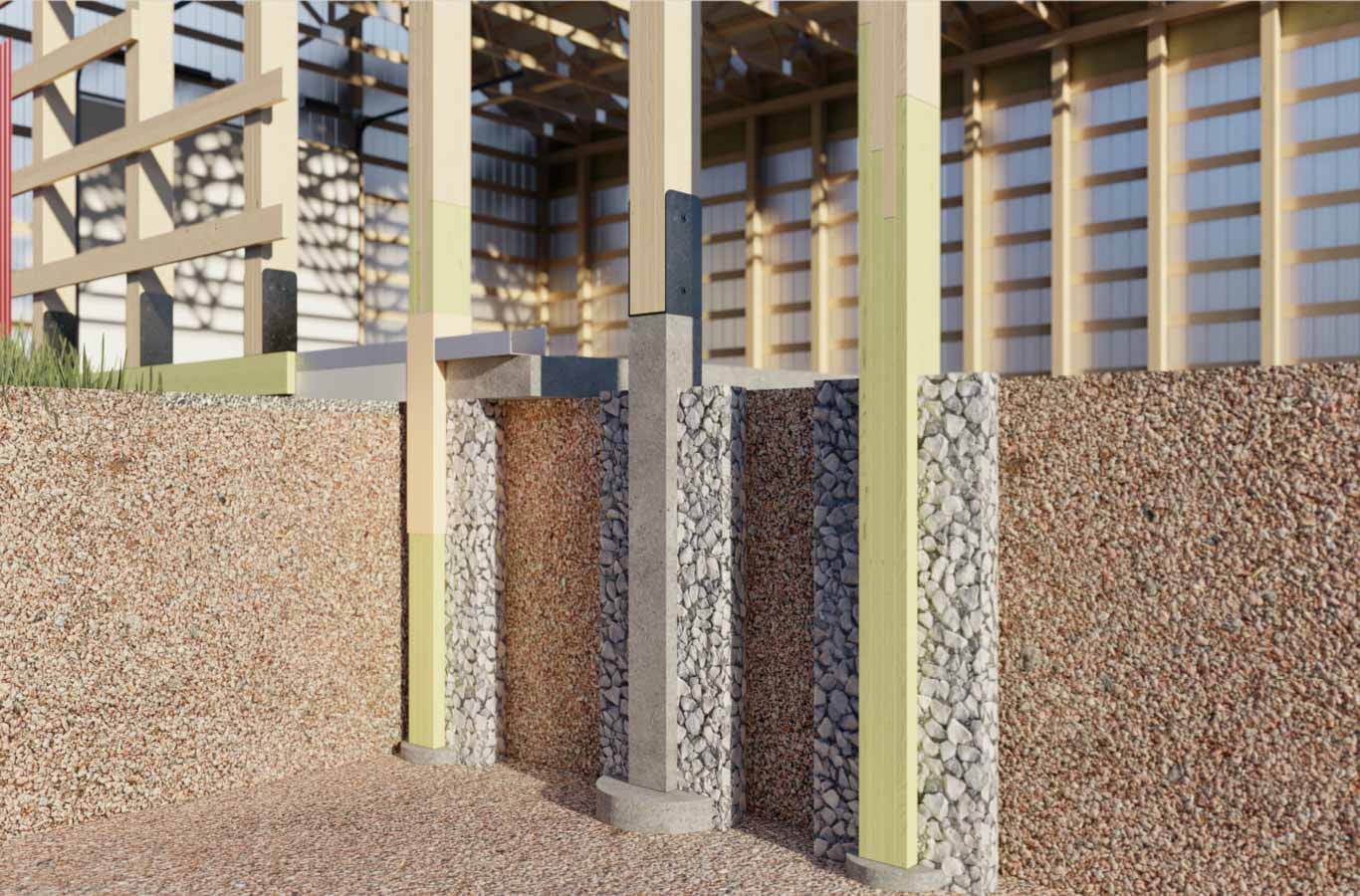
Engineered connections, correct post spacing, and well-designed bracing patterns prevent sway in gusty conditions and help the building feel calm inside. Perma-Column foundations and Grade Guard sleeves add long-term protection where wood meets soil. Attention to diaphragm action through roof and wall fastening creates stiffness that riders appreciate as a quiet, steady space. Remuda manufactures laminated posts and trusses in-house, which provides consistent quality and accountability from design to set-out.
Arena Footing, Base Layers & Drainage
A consistent base protects joints and gives horses the same feel every stride. Graded subsoil with proper compaction sets the stage for drainage that moves water away before it softens the base. Many owners add a geotextile layer to separate base and footing, which keeps rocks and other fine materials from pumping up through the riding surface. Footing depth and blend depends on discipline and maintenance plan, and the building layout should support smooth watering and grooming routines. In non-riding areas where horses will be saddled or groomed, consider including a concrete floor with non-slip flooring on top.
Plan hose bibs, water storage, and a safe tractor path so daily maintenance stays quick and predictable. Door thresholds need protection from undermining, so a concrete apron or well-compacted crush screenings helps lock edges in place.
Ventilation, Air Exchange & Moisture Control
Fresh air reduces dust and contaminants, removes moisture, and improves temperature comfort for riders and horses. Designers combine passive intake dampers at eaves with vents to support natural airflow. Powered exhaust fans provide controlled air exchange during smoky periods or when dust hangs after a long ride. Fans, openings, and air pathways work best when the structure limits dead zones behind seating, tack rooms, and storage alcoves.
Balanced airflow keeps condensation off cold metal surfaces that could drip onto footing and create slick patches. In addition, controls should be simple to reach from the ground, with clearly labelled switches and seasonal presets that staff can follow. Air quality improves further when sweeping and dragging sequences push dust toward exhaust paths rather than back into fresh air intake.
Lighting, Sightlines & Safety Barriers
Transparent polycarbonate panels called wall lights introduce soft daylight and reduce the number of fixtures needed without losing clarity. Even then, consistent lighting helps young horses stay confident and prevents riders from guessing at footing depth in corners. LED fixtures with protective cages hold up to dust and contact, and spacing should favour overlap to remove shadows. Any windows included in a riding arena should be placed high up to avoid kicking horses and prevent shadows.
A continuous kick wall gives riders a clear visual line to ride against and protects the structure from kicking hooves and grooming equipment. It also protects horses from cuts or scrapes if a powerful kick would otherwise reach the wall metal. In riding arenas used for equestrian business, emergency lighting and clearly marked exits support safe movement of guests during power interruptions.
Doors, Access & Winter Reliability
Equipment doors should open wide enough for the drag, water cart, and delivery trucks without awkward manoeuvres. Overhead doors with translucent panels bring in daylight and allow quick checks of outside conditions. Sliding doors work well for large sidewall openings where snowdrifts are less likely to pack against tracks. Hardware choices must consider frost, wind pressure, and straightforward service when components wear after heavy use.
Man doors often benefit from increased width on equestrian buildings. A 4’ wide door makes it easier and safer to move horses in and out without brushing the frame or squeezing through tight openings. Placement matters as well. Doors located at corners and by overhead equipment doors shorten walking paths and improve daily use.
Threshold elevations should sit above grade, with eavestroughs and downspouts guiding runoff away from entries to limit ice and mud. Locks and access controls must never interfere with emergency exit routes, and panic hardware provides added reassurance during busy lessons.
These fundamentals protect horses, riders, and spectators while reducing day-to-day maintenance effort. Solid choices here help training stay consistent through winter storms and smoky summer stretches. Riding arena’s become more enjoyable when you have peace of mind it’s purpose-built to protect the well-being of horses and make daily routines smoother.
Sizing, Layout & Site Planning
Good size and layout decisions start with your riding goals and the space your property allows. Every foot you add influences airflow, lighting needs, and snow load engineering. Clear pathways for people, horses, and equipment create safer routines and reduce effort spent on maintenance and upkeep creating more time to ride and train. Thoughtful site planning then supports drainage, utilities, and year-round access for everyone who uses the arena.
Building Location
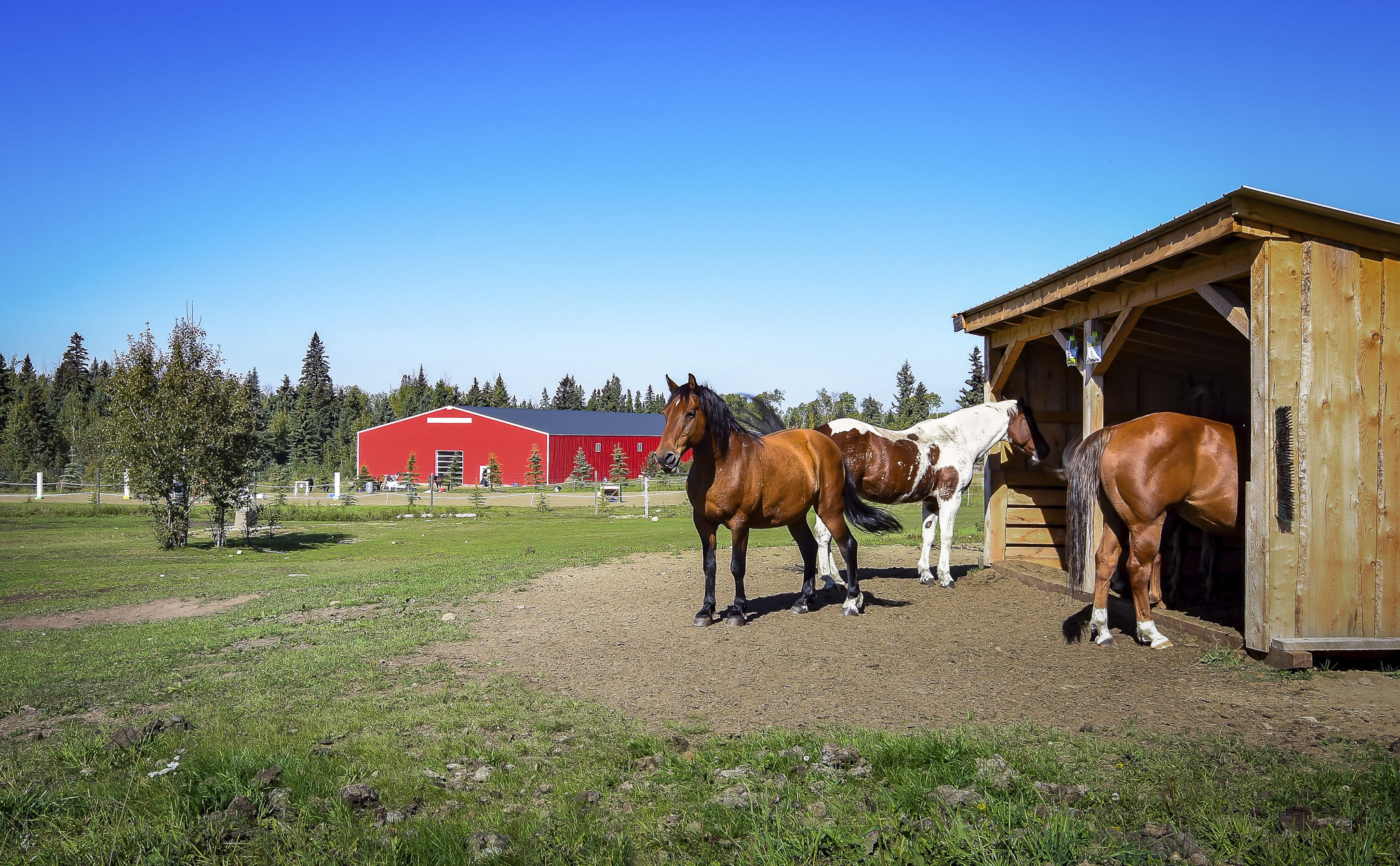
Many horse owners choose to attach a horse barn directly to the riding arena. An attached barn removes the need to lead horses across frozen ground, uneven footing, or windy yards during winter. This connection supports safer movement for horses, reduces handling risks for riders, and keeps routines consistent through storms or icy mornings. It also creates space for tidy saddling areas, feed storage, grooming, and viewing or office areas that remain protected from weather. When the barn and arena are designed as one layout, traffic flow becomes calmer and daily work feels more organized.
If a riding arena with an attached horse barn is not feasible, or a barn is al;ready in place, usability can still be greatly improved by building the arena in close proximity. While this arrangement does not fully eliminate outdoor movement, thoughtful placement shortens walks between spaces, reducing exposure to icy footing, wind, and poor weather.
Typical Dimensions & Riding Styles
Common indoor riding arena footprints range widely across Canada because programs vary from reining and roping to barrel racing and jumping. Arenas used for flatwork or roping often target long rectangles to support straightness and rhythm. Jumping and barrel racing routines appreciate extra width so tracks stay off walls and jump lines have recovery space. Clear-span structures let you match width, length, and height to discipline without interior posts forcing compromises.
Many private facilities choose sizes that fit their property access and maintenance equipment first, then tune proportions for riding. Smaller practice spaces still benefit from generous corners and centred doors to keep patterns smooth. Arena owners who will host equestrian competitions and events spectator areas separate from horse walkways or staging areas. A design conversation tied to your calendar of use will surface the best footprint for your needs.
Ceiling Height, Clearances & Roof Shape
Height influences safety, airflow, and how open the space feels to horses. Truss design sets the usable clearance, so confirm where the lowest point sits above riding lines and jump standards. Roof pitch affects snow shedding and headroom at the eaves, and simple eave overhangs help protect door areas and support natural ventilation without the need for enclosed soffit systems that are more common in other building types.
Suspended items such as heaters, lighting, or sprinklers need planned mounting locations that respect clearances. Lighting grids should sit well above the highest jumps and whips to protect fixtures and riders. Designers will model sightlines from horse height to prevent glare or flicker at eye level. Early coordination among trusses, lights, and ventilation avoids conflicts that are difficult to correct once construction begins.
Staging, Tack & Spectator Areas
Horses and people share space most safely when staging areas are defined and direct. Tie rails, a wash bay, and a tidy tack room reduce clutter and tripping hazards around entries. Spectator seating belongs outside the main riding flow with physical separation. A heated viewing nook in colder regions improves comfort for parents and instructors without interrupting riders.
Service spaces such as feed storage sit best along exterior walls with protected access for deliveries. Simple choices like rubber matting at doors and non-slip surfaces in wash bays support safe footing off the arena.
Equipment Door Placement & Traffic Flow
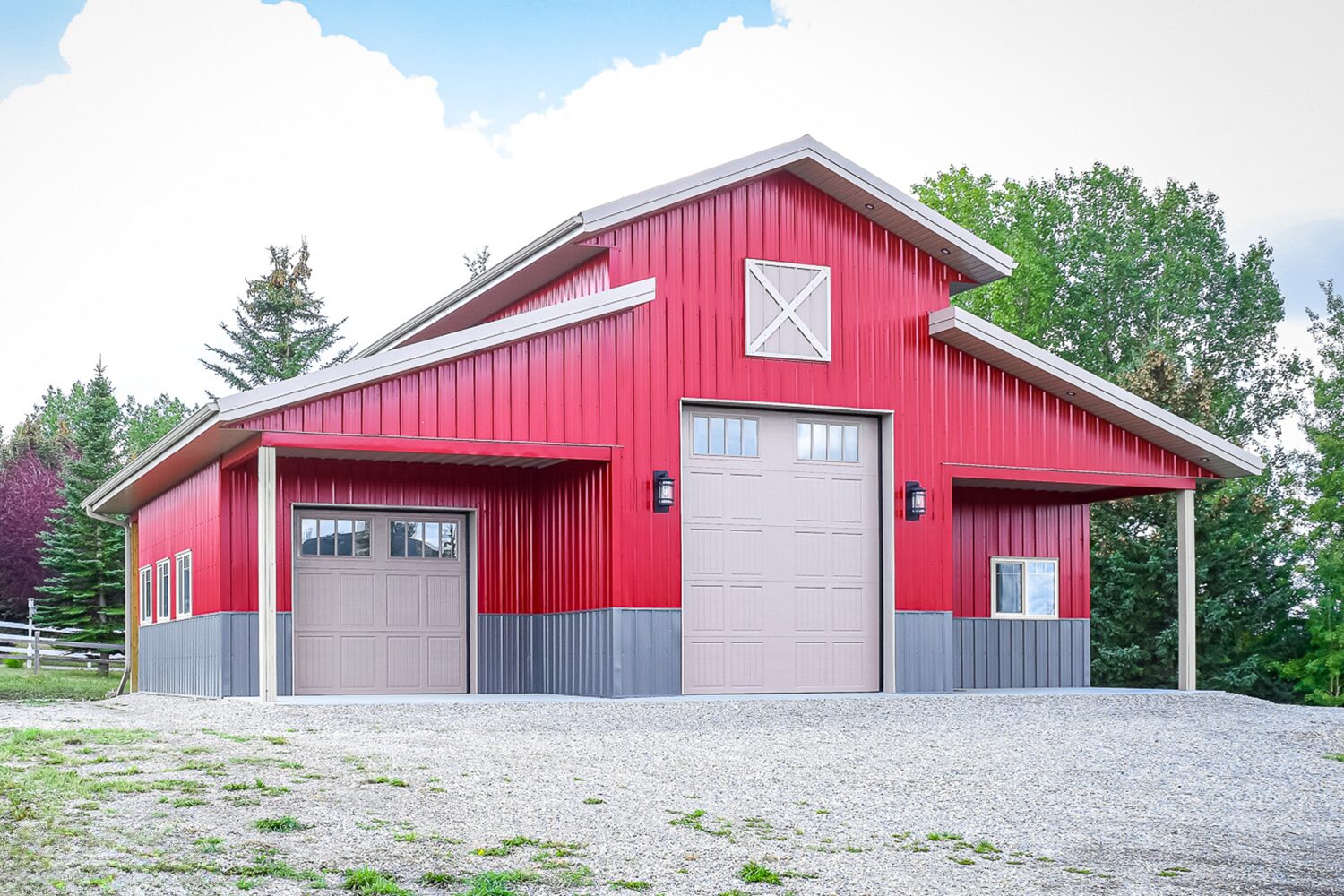
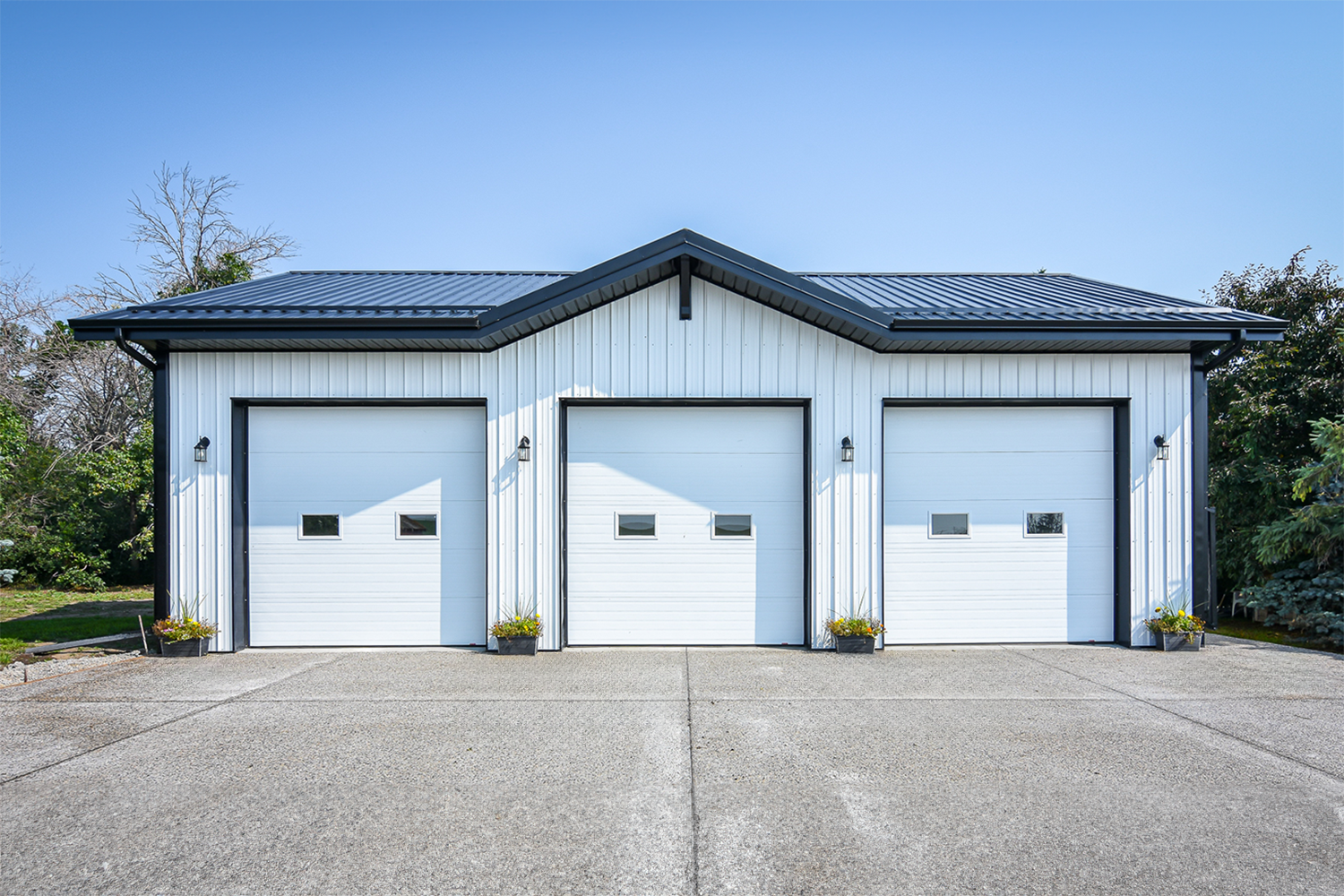
Door placement should support wide, straight paths for tractors, water carts, and harrows. Corner locations reduce blind spots, and alignment with the exterior apron helps limit rutting through spring and winter cycles. Pairs of doors on opposite walls can support cross ventilation on warm days and pull-through access for horse trailers and equipment. Windows in overhead doors provide outside visibility before opening and contribute to balanced daylight inside.
Many owners add a dedicated equipment door for loading and unloading horses from a trailer. Placing this door along a sidewall that leads to a staging or warmup area keeps trailers off the main footing and protects the riding surface from ruts or compaction.
Sliding door tracks need a snow management plan so they continue to operate after a storm. Overhead door openers should be mounted where horses cannot reach moving parts. Man doors should be located so riders and staff can exit without crossing active riding lines. High traffic areas benefit from durable interior wall cladding or kick walls that stand up to bumps from equipment and daily movement.
Site Orientation, Drainage & Access
Orient the building to reduce winter snow drifting at doors and to capture summer breezes. Grading should push water away from walls and aprons so footing edges stay dry. Long-term access improves when truck routes and parking sit on well-compacted base that resists spring thaw damage. Utility runs for power and water work best along the shortest paths with protection from frost and vehicle loads.
Snow loads and wind exposure vary by region, so engineering will adjust trusses, post spacing, and fasteners to match. Riding arena owners close to tree lines or hilltops will see different drift patterns, which affects where doors and vents perform best. Simple drainage details like eavestroughs and downspouts keep splashback off walls and limit ice near entrances. Year-round use feels simple and safe when access, drainage, and utilities fit the way your program actually runs.
Thoughtful layout work reduces conflict points and makes every ride feel calmer. Good siting and the right scale also control maintenance time and utility costs through winter. Riders, coaches, and barn staff will find routines easier when doors, staging, and viewing areas are planned together. Arena designs that start with clear goals deliver better safety, flow, and training outcomes.
Indoor Riding Arena Cost Factors & Budget Planning
Cost questions often start early because choices multiply quickly once drawings start to take shape. The best approach is to focus on value that you will use daily rather than headline upgrades you rarely touch. Understand the levers that move indoor riding arena cost to set priorities. Transparent conversations about site, size, and features will align the build with your goals and your timeline.
- Site preparation & drainage: Soil conditions, access, and grading determine how much dirt work is required to create a level, compacted pad. Sites with soft soils, uneven terrain, or long access routes require more base material and trucking, which increases cost. Better drainage and grading support long-lasting footing and reduce ruts through winter.
- Size, height & shape: Wider spans, taller walls, and longer arenas require more structural material and more complex truss engineering. Added height also increases the surface area for cladding. These choices raise cost, but they provide more riding room, smoother tracks, and improved airflow.
- Foundations & post protection: upgraded protection that fit your budget and longevity goals for your building. Upgraded systems can increase material costs and installation hours.
- Footing system & watering: Base layers, geotextile separation, footing blend, and water supply for dust control all add materials and equipment time beyond the building itself. These investments create safer footing, predictable maintenance, and more consistent ride feel for horses.
- Ventilation, insulation & liners: Exhaust fans, ridge and eave ventilation, attic insulation, and perforated liner support air quality, condensation control, and acoustics. Each added component increases cost but contributes to cleaner air, reduced moisture issues, and a quieter arena.
Lighting & wall lights: Fixture quality, placement, light switches, and transparent panels influence electrical work and cladding details. Higher visibility supports depth perception and rider confidence, especially during evening training or winter days.
Cost Drivers & Use Impact
| Cost factor | What changes | Effect on cost | Effect on use |
| Site preparation & drainage | Dirt work, access routes, base thickness, trenching for utilities | Rises with more earthworks and imported materials | Better drainage, longer-lasting footing, fewer winter ruts |
| Size, height & shape | Span width, length, roof pitch, wall height | Increases with larger spans and added height | More riding room, smoother tracks, improved airflow |
| Foundations & post protection | Level of post protection | Varies by system and installation steps | Longer service life at ground contact, lower maintenance |
| Footing system & watering | Geotextile, base blends, footing type, water supply | Adds materials and installation time | Safer feel, predictable maintenance, fewer sore joints |
| Ventilation, insulation & liners | Fans, ridge and eave venting, insulation, perforated liner | Adds equipment and electrical work | Cleaner air, reduced condensation, quieter arena |
| Lighting & wall lights | Fixture count, controls, transparent panels | Driven by fixture quality and layout | Even visibility, better depth perception, calmer horses |
Budget planning works best when you connect each decision to how you will use the arena every week. Site factors and size drive most of the total, while features and layout refine safety, comfort, and ride quality. Horse owners who choose the features that matter most to their daily use will see the greatest long-term value from their arena.
Indoor Riding Arena Designs & Build Sequence
A clear construction sequence helps rural property owners understand how each step connects from the first site visit to the first ride. Indoor riding arenas benefit from steady coordination because trades overlap, weather affects timing, and footing must stay protected until the building is enclosed. The steps below outline how a post frame indoor riding arena typically comes together in Canada.
- Property visit & goals: You and your chosen builder will mee to walk the site, confirm access, discuss your riding routines, and look for drainage and wind exposure clues that influence orientation and layout.
- Concept design & engineering: Footprint, height, openings, and structural loads are planned for your location and discipline. Arena layout, kick wall height, lighting needs, and ventilation are reviewed early.
- Permits & approvals: Engineered drawings and supporting documents are prepared for municipal submission. Foundation details, elevations, floor plans, and site plans are included as required.
- Drilling & posts: The building is squared-in, holes are drilled before setting and standing posts.
- Framing & enclosure: The crew installs purlins, girts, and roof trusses to complete the frame before enclosing the structure with metal cladding on exterior walls and the roof.
- Interior finishing: Insulation plus kick walls, interior wall and ceiling metal cladding are installed with careful attention to clearances and safety. This step varies by arena design and whether the owner plans additional spaces such as tack rooms or warm-up areas.
- Building walkthrough & handover: The construction crew will walk through the finished arena with you to ensure the work meets your standards before handing over the keys.
- Footing, drag-in & final touches: Base layers and footing are placed only after the arena is closed and the post frame builder is complete their scope.
Riding arena owners see the best results when footing installation is sequenced after the structure is weathered in. This protects the base layers from rain and construction traffic. Finishing touches such as mirrors or viewing windows fit cleanly once the main work is complete. A disciplined sequence keeps momentum steady and supports a predictable path to the final walkthrough.
“Good designs feel safe, encourage year-round riding, and keep daily maintenance quick.”
Why Choose Remuda Building for Your Indoor Riding Arena
Choosing an indoor riding arena builder is a trust decision shaped by safety, timing, and daily usability. Remuda Building meets you on your property to map wind, snow patterns, access, and space so the design reflects reality as well as learning about your riding arena needs. Our team designs and constructs post frame indoor riding arenas with engineered strength, clean sightlines, and simple daily maintenance. In-house manufacturing of laminated posts and trusses gives you consistent quality and clear accountability from start to finish. Personal service keeps expectations aligned at every step, which prevents surprises and protects riding schedules.
Our clients count on durable features that support daily use, so we focus on details that improve safety, airflow, and longevity to ensure horse and rider safety. These are the practical benefits riders feel every day in greater comfort and smoother chores, and they reflect our Above & Beyond Ordinary promise. Count on clear guidance, steady scheduling, and a building experience grounded in trust, credibility, and craftsmanship.